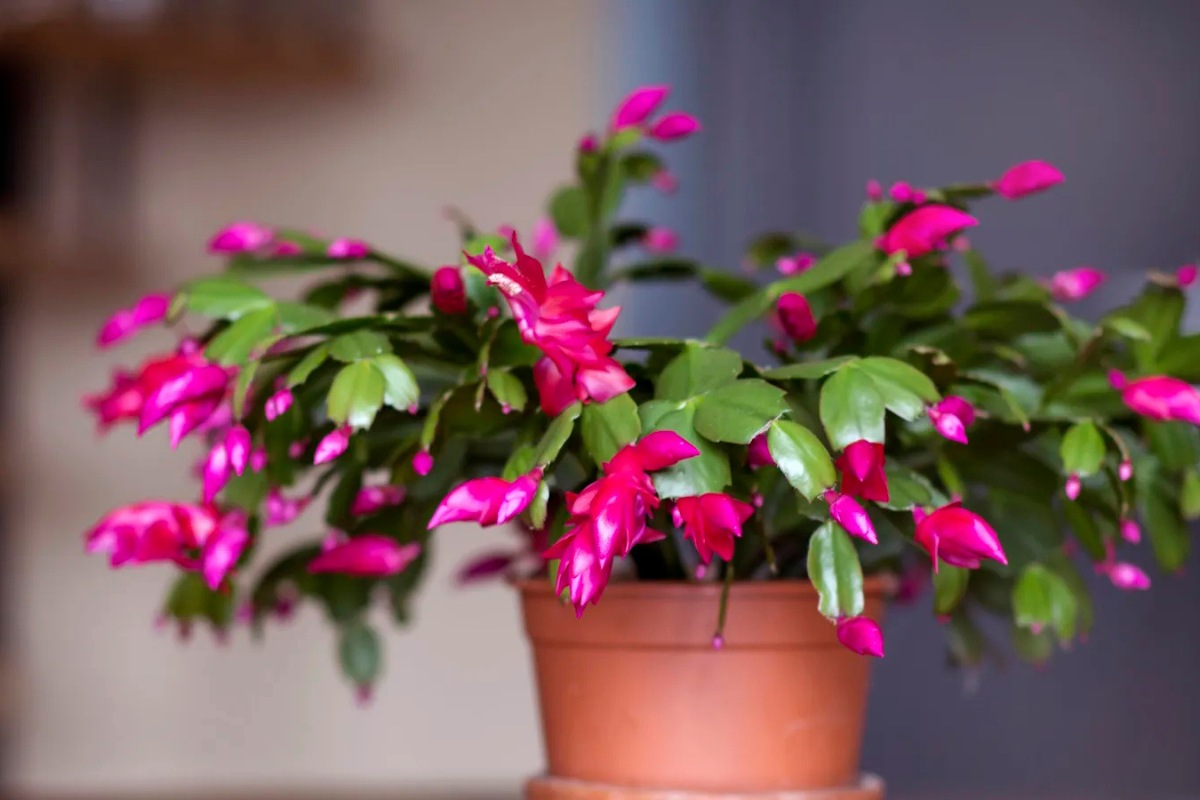
As the days shorten and the holiday lights start creeping into windows, there’s one houseplant that earns its moment in the spotlight every December: the Christmas cactus. Those jewel-bright blooms — magentas, corals, reds, snow whites — turn an ordinary corner into a festive centerpiece. And yet, despite its popularity, this tropical plant has a reputation for keeping even devoted plant lovers guessing. If you’ve ever waited all season for blooms that never appeared, you’re definitely not alone.
The good news? A Christmas cactus isn’t actually hard to bloom — it’s just particular. Once you understand what signals it needs (light, darkness, temperature and consistent care), it becomes one of the most reliable holiday bloomers in the houseplant world.
How to Make a Christmas Cactus Bloom Beautifully
To get a firmer grip on what makes these Schlumbergera hybrids tick, I checked in with houseplant specialists who’ve coaxed thousands of these plants into seasonal splendor. What they offered was a simple road map: manage water, light, nutrients and temperature with steady, thoughtful tweaks — not dramatic overhauls.
Below is a breakdown of the techniques experts swear by.
Water the Right Way for Budding Success
It turns out water management is one of the biggest stumbling blocks. A Christmas cactus is native to humid Brazilian forests, not arid deserts — but that doesn’t mean it wants to live in soggy soil.
Kiersten Rankel from Greg, the plant-care app, puts it plainly: water only when the top one to two inches of soil are dry. That’s your baseline.
Horticulturist Justin Hancock of Costa Farms echoes the warning: the plant should be slightly dry, never water-logged. Soggy soil rots roots quickly and causes buds to drop long before you enjoy them.
If you’re someone who tends to overdo or underwater, a basic soil moisture meter can be genuinely helpful — especially during winter, when indoor heating dries out pots faster than expected.
Give It the Right Light — and the Right Darkness
Light plays a huge role, but here’s the twist: so does darkness.
Christmas cacti bloom in response to short days and long nights, a trait inherited from their cloud-forest origins. If you want flowers, you need to mimic those seasonal cues.
Here’s the formula growers rely on:
| Requirement | What the Plant Needs | Why It Matters |
|---|---|---|
| Daytime Light | Bright, indirect sunlight | Fuels energy production for future blooms |
| Nighttime Darkness | ~13 hours a night for 8–10 weeks | Signals plant to start forming buds |
| Temperature | Cool nights around 55°F, warmer days | Supports consistent bud formation |
Justin Hancock puts it simply: bright days give the plant the energy it needs, but long, uninterrupted nights actually trigger the blooming cycle.
If your home runs on long evening light, or you live in an apartment with street lamps glaring through the windows, you may need to artificially create darkness — even a cardboard box placed gently over the plant at night works.
Fertilize at the Right Time — and Don’t Overdo It
A Christmas cactus doesn’t need big, heavy feedings. In fact, giving fertilizer too late into fall can interrupt the blooming cycle.
Justin Hancock recommends a simple rhythm: fertilize in spring and summer, then stop feeding in fall when buds begin forming.
A mild, balanced formula works just fine, and some growers swear by adding small amounts of coffee grounds to help maintain slightly acidic soil — the sweet spot these plants prefer.
The real danger isn’t underfeeding, it’s feeding at the wrong time. Nutrients during bud formation can confuse the plant and cause premature drop.
How Often Will a Christmas Cactus Bloom?
Most Christmas cacti bloom once a year, usually between November and January. But with consistent conditions — cool nights, proper watering, steady feeding in the growing months — some plants bloom a second time in spring.
A general timeline:
- 6–8 weeks for buds to form
- 8–12 weeks for flowers to fully open
- Each flower lasts 5–7 days
- Full bloom period typically lasts 3–6 weeks
When the plant is happy, you’ll know — it’s almost showy about it.
Why Are Blooms Falling Off?
Few things feel more disheartening than watching a plant form dozens of buds only for them to drop in a matter of days. Fortunately, these drops usually point to a small, fixable stressor.
Common causes include:
- Sudden drops or spikes in temperature
- Dry indoor air from heaters
- Overwatering or underwatering
- Moving the plant frequently during budding
- Drafts from windows or vents
Try to keep your plant in one spot during the bud-formation phase, away from radiators or cold drafts. Even small environmental shifts can make the plant hit “abort.”
Turning Your Christmas Cactus Into a Holiday Tradition
Once you get the rhythm right — bright days, dark cool nights, light watering and gentle feeding — a Christmas cactus becomes one of the most rewarding houseplants you can grow. Some families pass them down for generations, and a single pot can live well over 40 years.
As the season rolls in, a blooming cactus does more than brighten a window; it quietly ties together the comfort of winter routines, holiday gatherings and the kind of slow, steady care that pays off at exactly the right moment.
FAQs
1. How long does it take a Christmas cactus to bloom once buds appear?
Typically 8–12 weeks from first bud to full flowering.
2. Can I force blooms at any time of year?
You can encourage off-season blooming by adjusting light and temperature, but it works best in fall and early winter.
3. What’s the ideal indoor temperature?
Aim for 65–70°F days and around 55°F nights for reliable bud formation.
4. Should I repot my Christmas cactus before blooming?
No — repotting stresses the plant. Wait until after the bloom cycle ends in late winter.
5. How long do Christmas cacti live?
With proper care, 30–50 years is common; many exceed that.