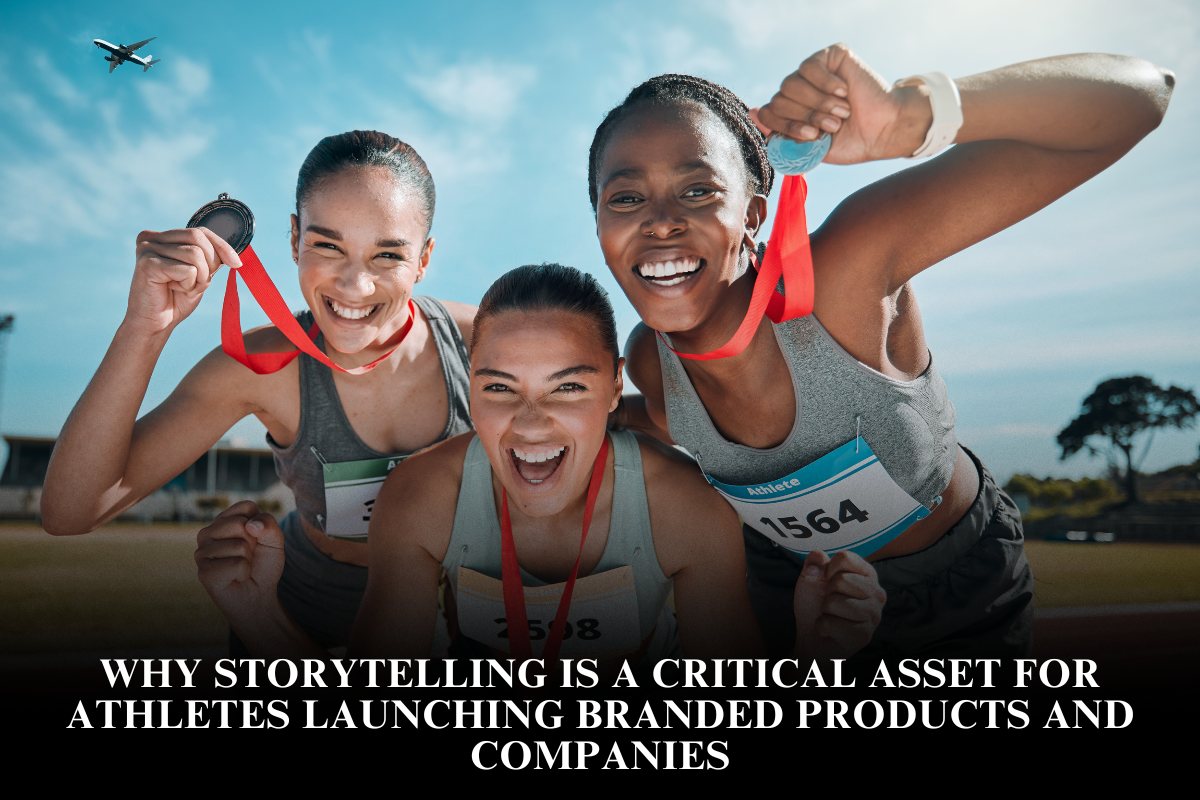
Storytelling stands as the cornerstone for athlete entrepreneurs in the USA, transforming raw fame into emotional loyalty that drives sales in a $1.67 billion NIL market projected to exceed $2.5 billion with revenue sharing.
Unlike product specs, narratives humanize brands, forging connections that boost engagement 63% and convert fans into lifelong customers, as seen in LeBron James’ SpringHill (valued at $725 million) or Caitlin Clark’s BBQ line selling out via her Iowa farm-girl authenticity.
With 78% of ex-NFL players facing financial distress post-retirement, compelling stories mitigate risks by differentiating ventures amid short 3.3-year careers, turning transient athletic capital into enduring empires like Magic Johnson’s $1 billion conglomerate. In 2025’s crowded influencer space, storytelling isn’t optional—it’s the multiplier for ROI.
Humanizing the Athlete-Brand Connection
Athletes’ journeys—grit, setbacks, triumphs—resonate universally, humanizing products beyond features. Nike’s “Dream Crazy” with Colin Kaepernick leveraged his protest narrative for emotional pull, spiking sales despite backlash, proving stories evoke empathy over specs.
Travis Kelce’s apparel succeeds because fans buy into his underdog-to-star arc, not fabric quality; Greenfly data shows athlete stories yield 80% higher purchase intent via relatability. For launches like Serena Williams’ S by Serena, vulnerability (motherhood struggles) aligns with wellness audiences, building trust that specs alone can’t.
Driving Emotional Engagement and Virality
Stories provoke emotion, memorized longer than facts per cognitive science; Under Armour’s “I Will What I Want” with Misty Copeland’s barrier-breaking tale boosted women’s market share via aspiration.
TikTok NIL creators like Rayquan (“King of NIL”) monetize non-Power 5 stories, gaining viral traction—his fashion drops sold via raw hustle narratives. Platforms amplify: Reels with BTS training tie products to perseverance, hitting 40% engagement uplifts, far surpassing static ads. Shilo Sanders’ flashy NIL pivoted to bankruptcy cautionary tale, underscoring narrative control’s power.
Building Brand Loyalty and Differentiation
In saturated markets, stories create moats: Shaquille O’Neal’s Five Guys investments thrive on his larger-than-life persona woven into franchise tales, fostering repeat buys. Consumers favor authentic narratives—68% prefer value-aligned stories, per surveys—elevating athlete brands over generics.
Patrick’s Mahomes grilling kits hit $10M by storytelling family barbecues, differentiating from commodity spices via Chiefs loyalty. Long-term, narratives sustain post-career: Magic Johnson’s Pepsi deals evolved into ownership via community empowerment arcs.
Enhancing Marketability and Investment Appeal
VCs like SeventySix Capital seek story-rich pitches; LeBron’s Uninterrupted scaled via docs humanizing his empire. NIL platforms like Opendorse prioritize narrative profiles, clearing deals faster for compelling bios—12,175 approved worth $87.5M by late 2025.
Storytelling pitches secure partnerships: 37% fan loyalty boost for cause-tied tales, ideal for wellness or apparel launches. Mohamed Salah’s Pixel selfie post-goal embedded product in victory emotion, proving narrative-product fusion.
Storytelling Techniques Tailored for Athletes
Craft arcs: Hero (you), conflict (injury/doubt), resolution (triumph tying to product). Platforms matter—TikTok for raw vlogs, Instagram for polished journeys. Collaborate without overriding voice; authenticity harmony drives 80% recommendations. Metrics guide: Greenfly tracks sentiment, refining narratives for 63% uplifts. Legal note: FTC disclosures maintain trust in sponsored stories.
Risks of Weak Narratives and Mitigation
Poor stories flop—oversharing risks scandals, dilution erodes uniqueness. Mitigate via advisors auditing arcs; diversify tales across passions. 2025 AI aids scripting, but genuine voices win.
Storytelling weaponizes athletes’ lived authenticity, compounding NIL into legacies. As Kingdom Creative notes, it’s the “shortcut to connection” fueling $24B influencer growth—ignore at peril.
FAQs
Q1. How does storytelling boost sales for athlete products?
Narratives humanize brands, driving 80% higher purchase intent via emotional ties, as in Kelce’s apparel or Nike’s Kaepernick campaign spiking revenue despite risks.
Q2. Why is authenticity key in athlete stories?
Fans detect fakes, dropping engagement 40%; harmony of voice and product—like Copeland’s Under Armour tale—builds trust and 68% value-aligned loyalty.
Q3. What platforms amplify athlete narratives best?
TikTok for raw vlogs (40% uplifts), Instagram Reels for journeys; Opendorse profiles speed NIL clearances for story-rich athletes.
Q4. How do stories attract investors/VCs?
Compelling arcs like LeBron’s differentiate pitches; SeventySix Capital backs narrative-driven startups in $24B influencer space.
Q5. What risks come with poor storytelling?
Scandals or dilution erode uniqueness—e.g., Sanders’ flashy NIL backfired; mitigate via advisors and metrics for sustained 63% engagement.