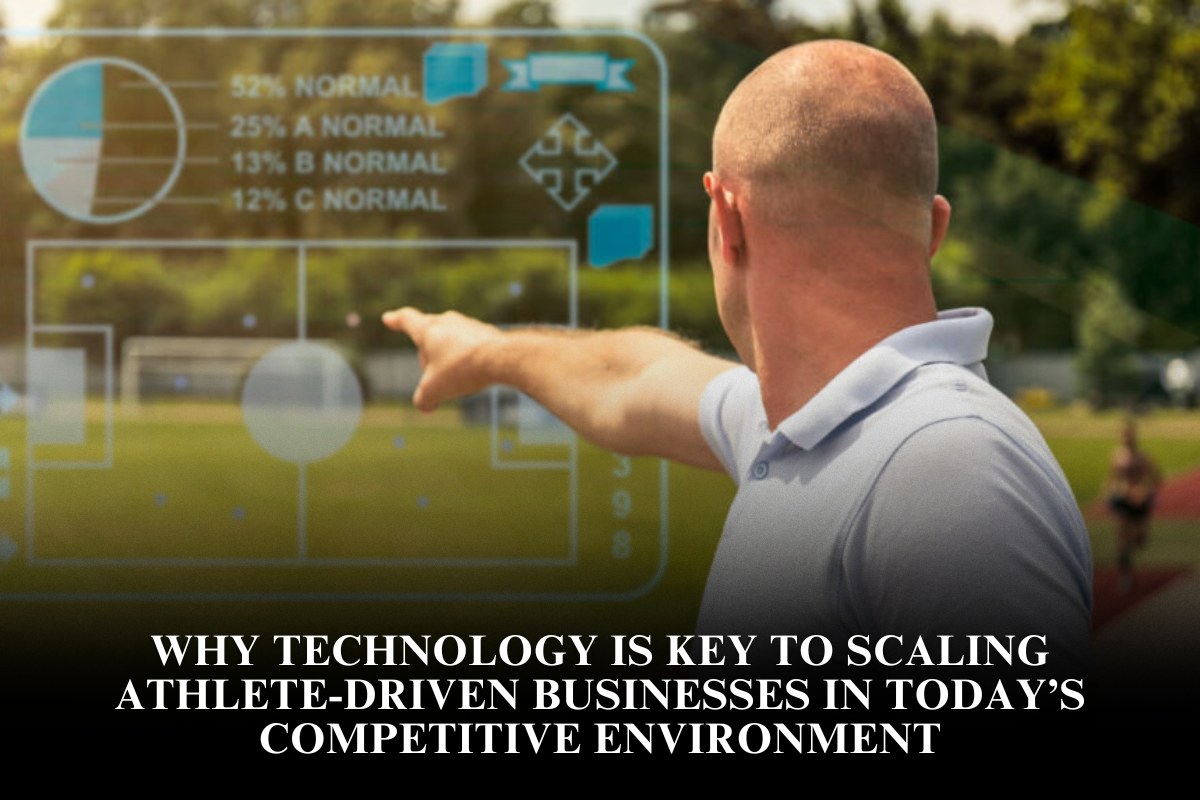
Technological innovations like AI, VR, blockchain, and wearables are revolutionizing U.S. athlete businesses by enabling personalized ventures, secure fan monetization, and scalable collaborations, turning athletes into autonomous media empires.
Platforms such as Athlete365 accelerators and startups like Kinny empower entrepreneurs with data-driven tools, while generative AI automates content for direct-to-fan models. These shifts bypass traditional gatekeepers, fueling a $100B+ sports tech market where athletes launch apps, leagues, and tokenized ecosystems.
AI-Powered Personalization and Performance Ventures
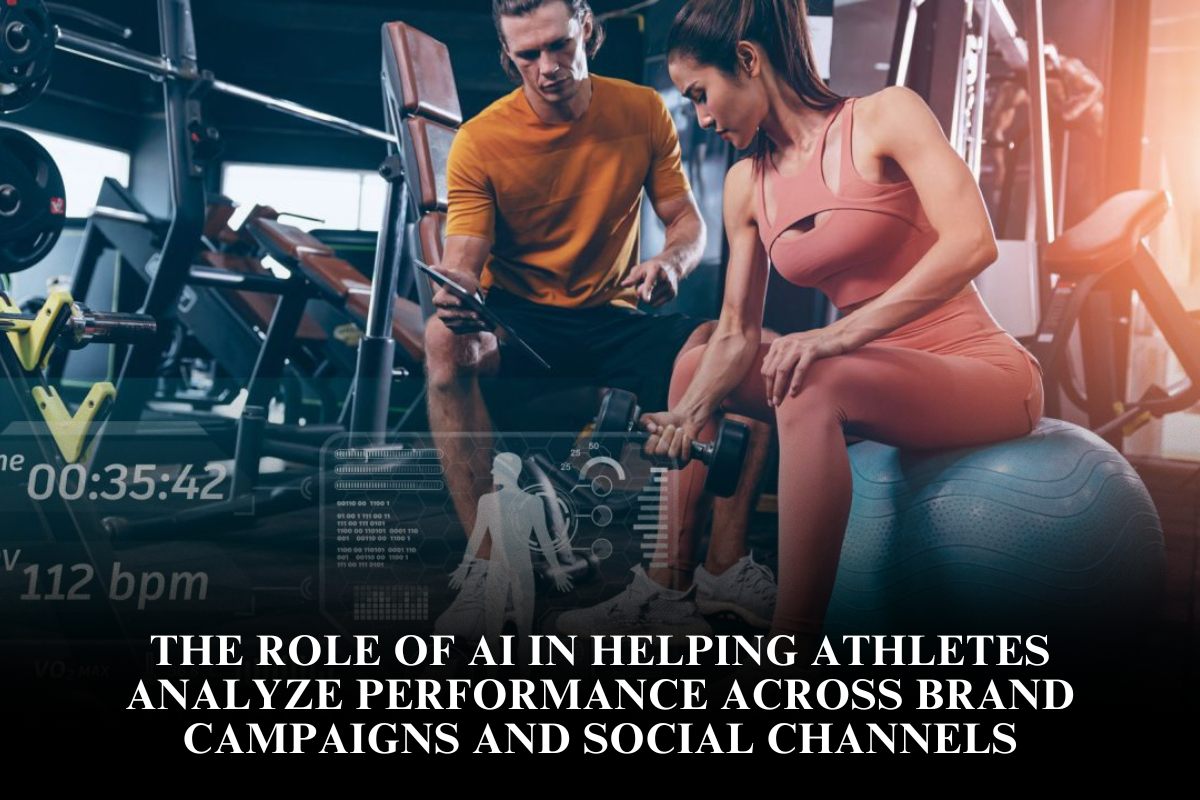
AI transforms athlete businesses through predictive analytics and coaching apps, allowing customized training platforms like Kinny’s wearable-integrated rehab systems that analyze real-time movement for pros and consumers. U.S. firms like Tempo use 3D sensors for home gyms, enabling athletes to productize their expertise into subscription models rivaling Peloton.
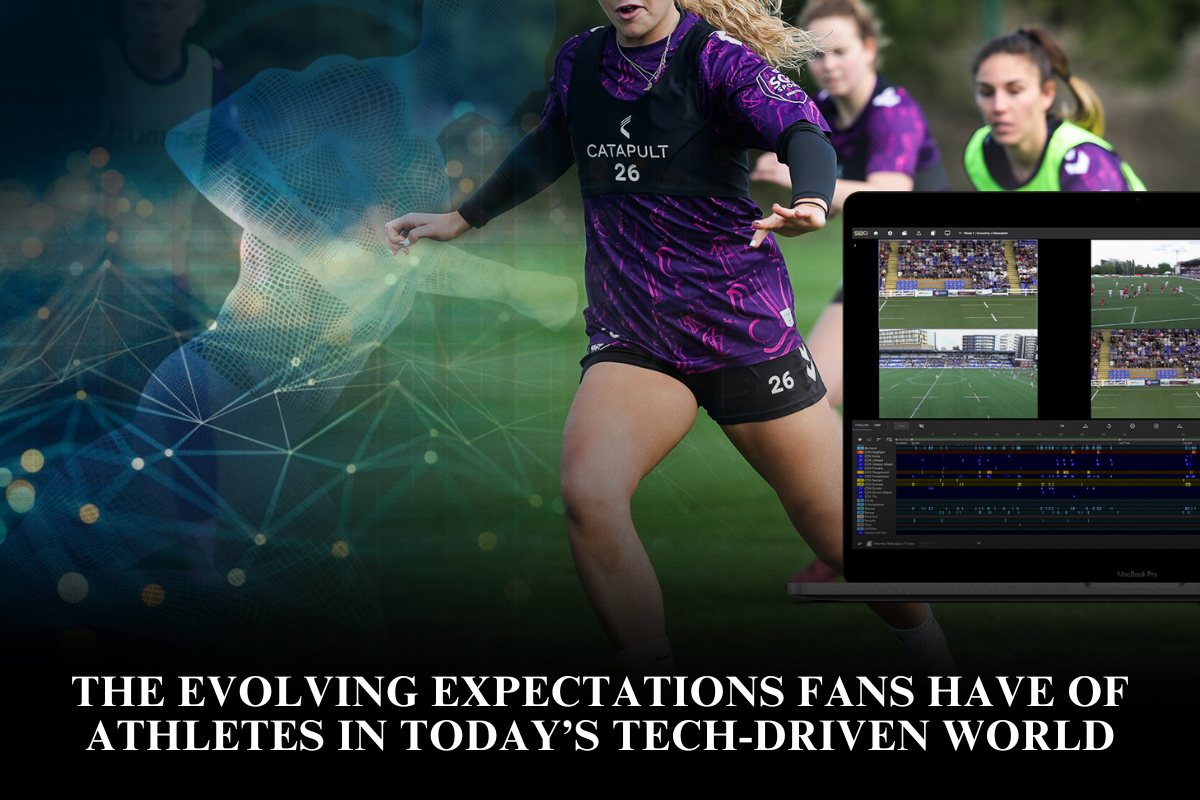
NFL’s Digital Athlete with AWS predicts injuries via sensor data, inspiring athlete-led wellness brands with 20-30% higher retention. This tech scales ventures by automating personalization, as seen in Shaq’s investments yielding tech-driven returns.
VR/AR for Immersive Training and Fan Experiences
VR startups like WIN Reality equip athletes with bat-attached simulations for baseball/softball, quantifying hits without fields and licensing to teams for revenue. AR broadcasting overlays stats in real-time, powering athlete-owned content studios that collaborate via shared virtual spaces.
These tools cut costs 50% while boosting engagement, enabling digital twins for global training collaborations. Athletes monetize via B2B licensing to MLB/NBA affiliates, blending training IP with fan VR events.
Blockchain and Tokenized Collaboration Models
Blockchain enables athlete-led leagues and NFTs, securing fan rewards and ownership stakes disintermediating agents. Smart contracts automate royalties from digital collectibles, as in tokenized training regimens rewarding adherence with tokens.
U.S. platforms integrate AI-blockchain for transparent betting and data markets, fostering peer-to-peer collaborations where athletes co-own ventures. This model supports autonomous brands, with 47 studies showing elite athletes building platform-operator roles.
Digital Platforms for Scalable Partnerships
Athlete365 Business Accelerators and Greenfly facilitate content exchanges, where brands supply assets for social amplification in symbiotic models. Social platforms like Instagram/TikTok drive direct fan commerce, with fintech easing athlete investments in startups.
Sports Business Journal’s innovative lists highlight firms like ASB Glass Floor for interactive courts, enabling venue-based collaborations. These ecosystems extend partnerships, creating multi-year value chains.
Future Implications for Athlete Entrepreneurs
Converging tech like Fujitsu’s AI accelerators positions athletes as ecosystem builders, from coaching platforms to metaverse leagues.
Challenges include data privacy, but blockchain resolves this, promising sustained growth in a digital-first economy. Tech redefines athlete businesses as collaborative powerhouses, amplifying impact beyond fields.
5 Frequently Asked Questions
1. How does AI help athletes build scalable businesses?
AI enables personalized coaching apps and injury prediction via wearables like Kinny, productizing expertise for consumer subscriptions.
2. What role does VR play in athlete collaborations?
VR platforms like WIN Reality allow remote training and fan events, licensing tech for B2B revenue and global partnerships.
3. How does blockchain transform fan engagement for ventures?
It powers tokenized rewards and secure royalties, enabling athlete-owned leagues with transparent, fan-incentivized models.
4. Which platforms facilitate digital athlete-brand collaborations?
Athlete365 accelerators and Greenfly enable content exchanges and data hubs for symbiotic social amplification.
5. What are emerging trends in sports tech for U.S. athletes?
AR broadcasting, gen AI content, and AI-blockchain betting ecosystems, per SBJ’s innovative companies lists.