Athlete-influencers have surged as marketing powerhouses, fueled by NIL policies enabling college athletes to monetize personal brands, delivering 5.6% social engagement rates versus traditional influencers’ 1.9%. Brands leverage their authenticity, relatability, and fan loyalty for higher ROI through micro/nano-influencers who share training realities, personal stories, and product integrations. This shift projects NIL spending to $2.5 billion by 2026, transforming sports marketing from team-focused to athlete-driven.
The NIL Revolution Driving Influence
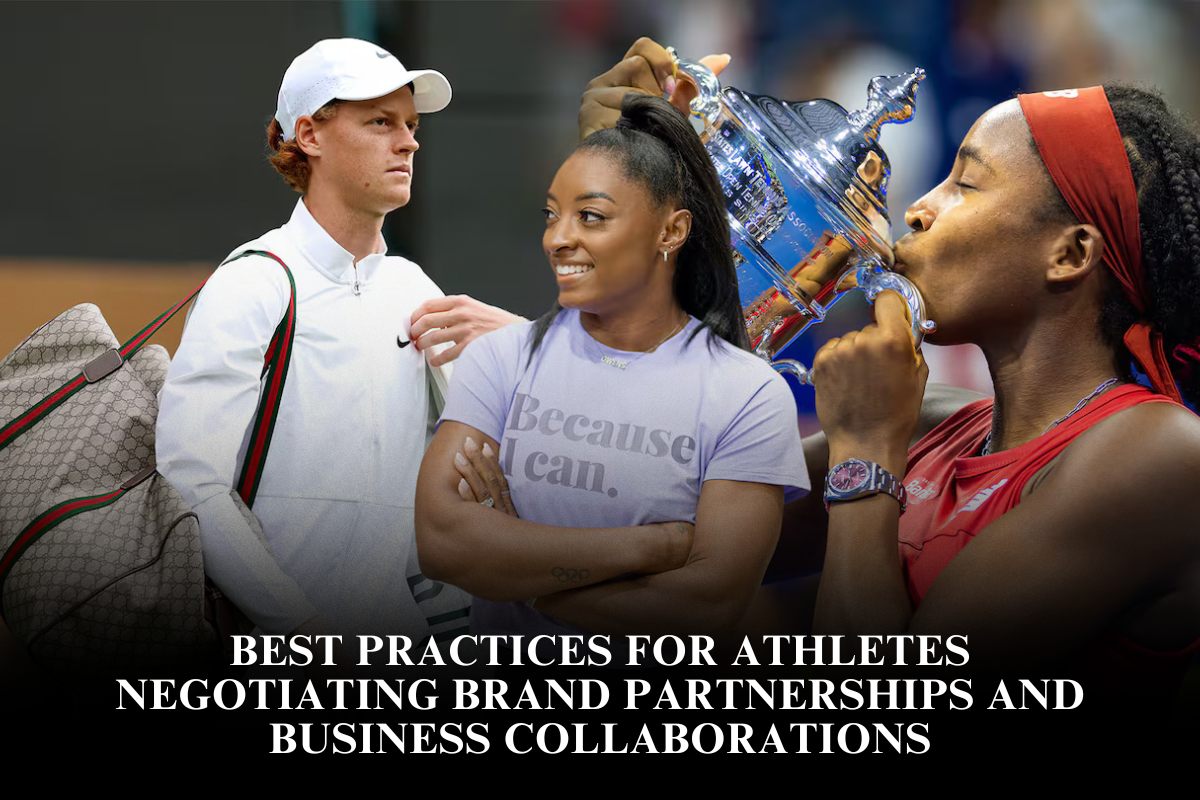
NIL rights flipped NCAA rules, allowing amateurs to profit from endorsements, content, and appearances, skyrocketing from $234 million to nearly $1 billion in 2025-26. College athletes, as “Precision Influencers,” excel with genuine connections—sharing dorm life, workouts, and vulnerabilities like Simone Biles’ “get ready with me” videos—outpacing staged celebrity ads. Over 60% of consumers trust peer-like recommendations, making athletes ideal for brands targeting youth.
Teams and leagues now view players as marketing assets, with athletes generating 26% of sponsorship value.
Superior Engagement and ROI
Athletes’ content yields massive reach: 2 million new followers overnight for clubs via stars, plus measurable metrics like views and conversions. Micro-campaigns—long-form videos over static posts—build lifelong customer ties, especially with Gen Z on TikTok/Instagram. Brands score big with non-elites too, as nano-influencers offer niche authenticity cheaper than macros.
This model disrupts traditional TV/radio, prioritizing organic advocacy.
Strategies for Brands and Athletes
Brands partner via content-led deals: athlete-led ads, campus activations, and co-created series. Athletes optimize by posting consistently—highlights, BTS, values—to attract aligned sponsors. Institutions support branding for talent retention and revenue, as fans follow individuals over teams.
FAQ
What sparked the athlete-influencer boom?
NIL rights post-2021, letting college athletes monetize social media and endorsements.
Why do athletes outperform traditional influencers?
5.6% engagement from authenticity and shared experiences vs. 1.9%; trusted like peers.
How much is NIL market worth?
$1B+ in 2025-26, projected $2.5B by 2026; athletes drive 26% sponsorship value.
Do non-elite athletes benefit?
Yes, micro/nano ones excel in niches with high ROI for local/national brands.
What content works best?
BTS training, personal stories, long-form integrations over static posts.
How should brands approach partnerships?
Focus on content-led campaigns with aligned values for sustained engagement.