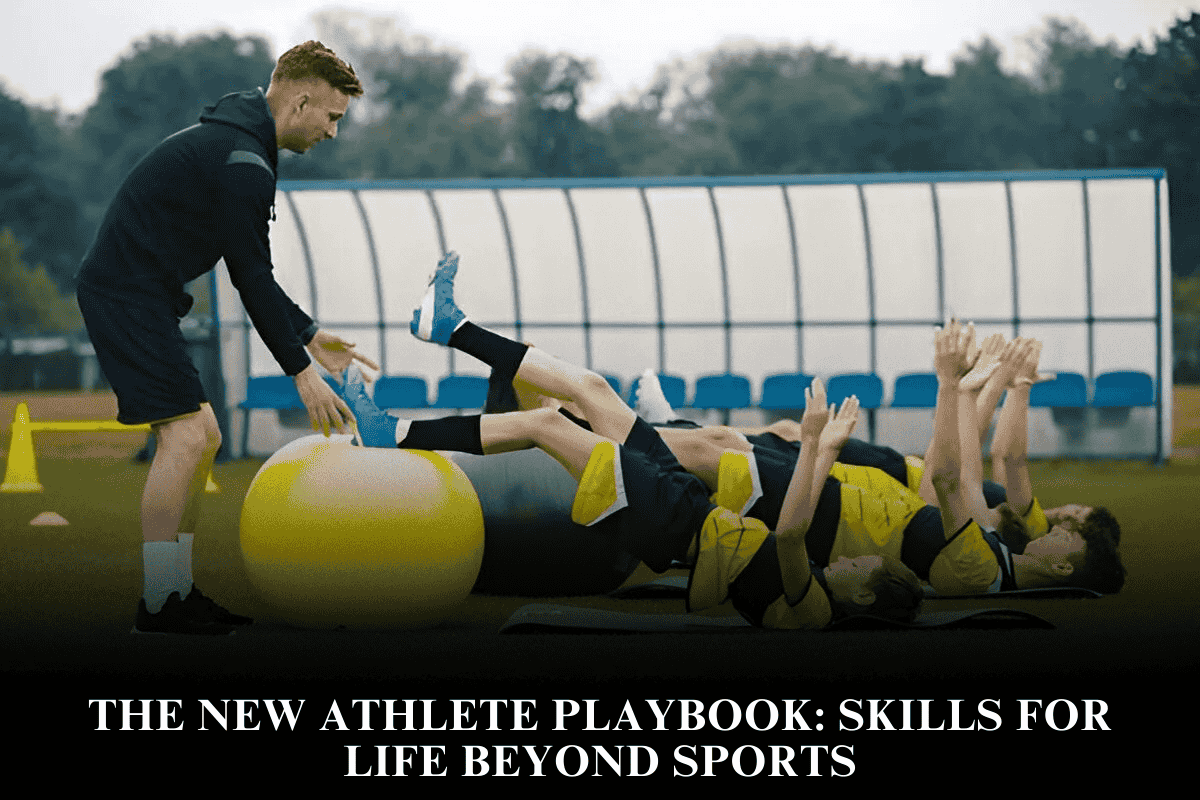
The new athlete playbook goes beyond physical skills to emphasize life skills essential for success beyond sports. Modern athletic development prioritizes character, resilience, communication, and adaptability, equipping athletes for diverse futures whether in careers, relationships, or community leadership. Developing these holistic competencies fosters well-rounded individuals ready to navigate life’s challenges with confidence.
Essential Life Skills for Athletes
Resilience and Mental Toughness
Athletes learn to overcome setbacks, manage pressure, and maintain motivation through goal-setting and positive self-talk. Resilience cultivated in sports translates to handling stress and adversity throughout life.
Time Management and Discipline
Balancing practice, competition, academics, and social activities teaches athletes effective time use and prioritization, vital skills for any professional or personal endeavor.
Communication and Teamwork
Clear communication, conflict resolution, and working toward shared goals help athletes collaborate effectively. These interpersonal skills support success in workplaces and community roles.
Leadership and Accountability
Athletes experience leadership opportunities on and off the field, learning to inspire, mentor, and take responsibility for outcomes. Accountability builds trust and integrity in all areas of life.
Adaptability and Problem-Solving
Sports demand quick decision-making, strategic thinking, and flexibility—abilities that empower athletes to adjust to changing circumstances and solve complex problems.
Integrating Life Skills Into Athletic Training
- Structured workshops focusing on personal development alongside physical training.
- Mentorship programs pairing athletes with role models demonstrating holistic success.
- Incorporating reflective practices such as journaling and group discussions to deepen self-awareness.
- Providing career guidance and networking opportunities beyond sports.
- Encouraging community engagement to foster social responsibility and empathy.
FAQ
Q: Why are life skills important for athletes?
A: They prepare athletes for transitions beyond sports, enabling career success, healthy relationships, and personal fulfillment.
Q: How can coaches support life skills development?
A: By integrating character education, providing mentorship, and fostering environments that value growth and learning.
Q: When should athletes start focusing on these skills?
A: Early in their development to build habits and mindsets that support long-term success.
Q: Can life skills improve athletic performance?
A: Yes, skills like resilience, communication, and discipline enhance focus, teamwork, and mental toughness.
Q: How do life skills help after retirement from sports?
A: They equip former athletes to navigate new careers, maintain wellbeing, and contribute positively to society.