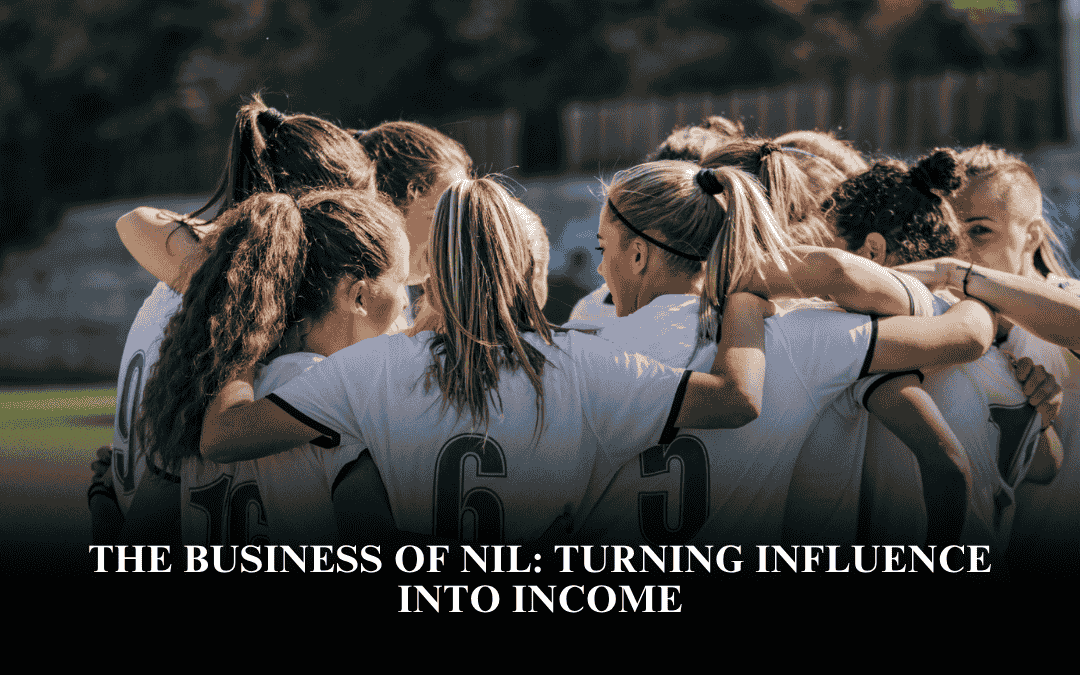
The landscape of college sports has undergone a massive transformation with the introduction of Name, Image, and Likeness (NIL) rights. Once restricted by NCAA rules, college athletes can now profit from their personal brands.
This groundbreaking shift has not only redefined amateur athletics but also opened a new era of entrepreneurship—where influence and authenticity translate directly into income.
Understanding NIL and Its Impact
NIL allows college athletes to earn money through endorsements, sponsorships, social media promotions, merchandise sales, and appearances, all while maintaining their eligibility to compete. This change recognizes athletes as more than just players—they are now marketable brands with loyal fanbases.
For years, universities and athletic programs reaped the benefits of athletes’ popularity. NIL reforms now ensure that athletes themselves share in the financial rewards. This move empowers them to take control of their image, develop business skills, and prepare for life beyond sports.
The Rise of the Athlete-Influencer
Social media has become the foundation of NIL success. Platforms like Instagram, TikTok, and YouTube allow athletes to engage with followers, attract sponsors, and grow their personal brands.
Athletes with authentic voices and consistent engagement can command lucrative deals even without national fame.
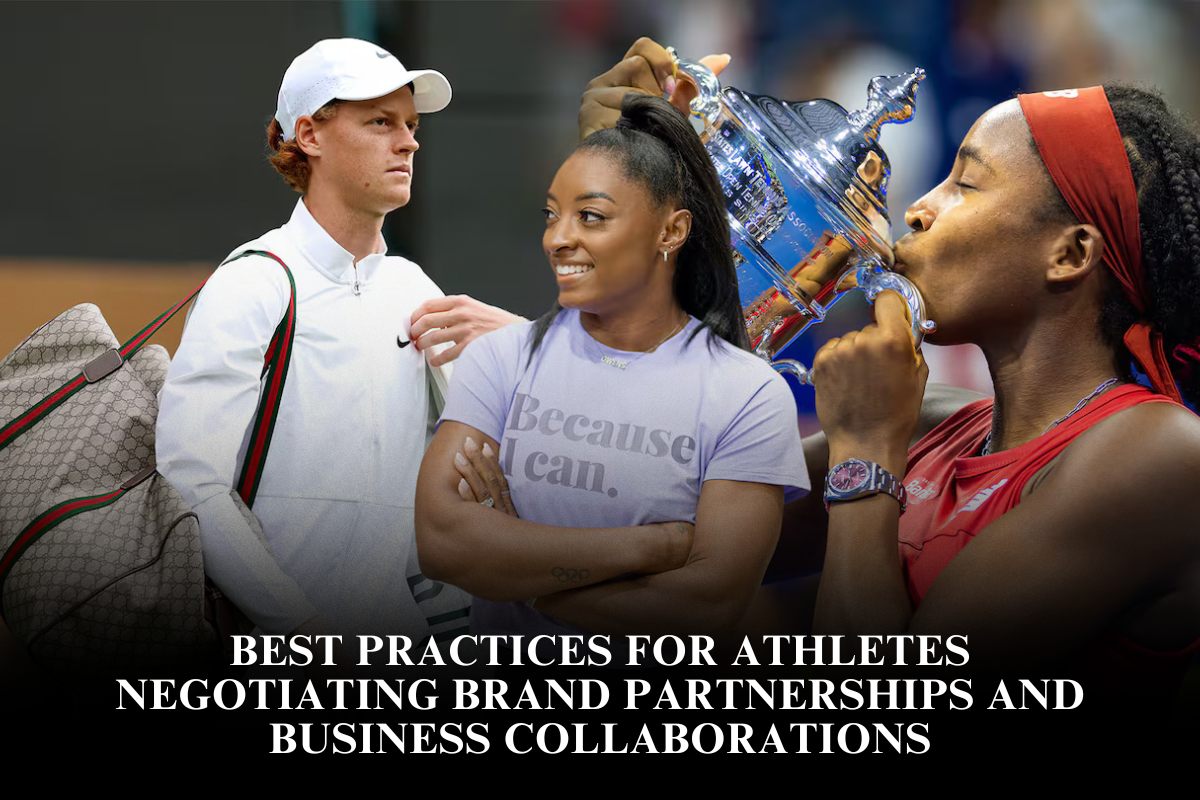
For instance, college gymnasts and volleyball players with strong online communities have landed six-figure endorsement deals. The message is clear: in the NIL era, influence often outweighs athletic fame.
Building a Personal Brand
A strong NIL strategy begins with branding. Athletes must define their values, voice, and audience. Consistency across platforms, combined with professionalism and storytelling, helps build credibility.
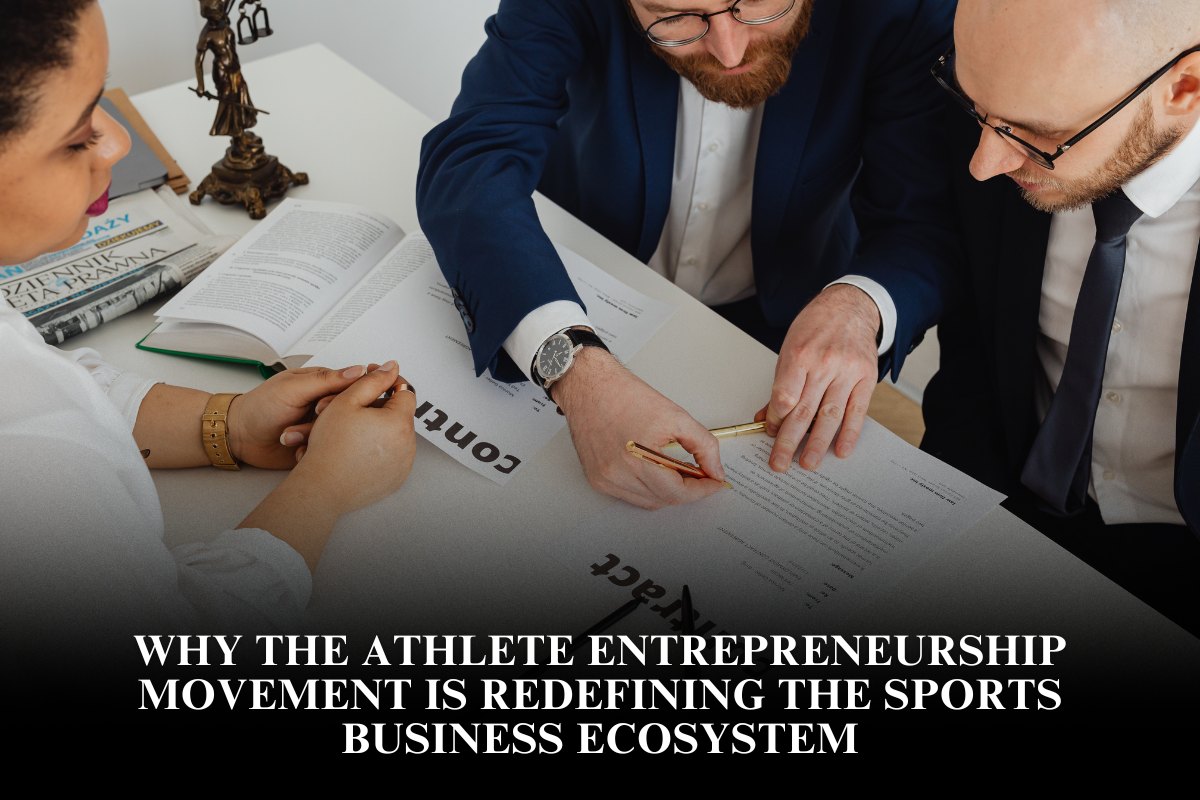
Many athletes are now working with marketing agencies, financial advisors, and lawyers to navigate contracts and protect their image.
NIL has effectively turned college athletes into mini-entrepreneurs, managing their own marketing and business operations while balancing academics and sports.
Challenges and Responsibilities
While NIL presents exciting opportunities, it also brings challenges. Financial literacy, time management, and compliance with NCAA and school regulations are critical.
Athletes must learn to file taxes, negotiate contracts, and avoid partnerships that could conflict with team policies.
Some athletes have also faced ethical questions about promoting products that may not align with their personal values. Success in NIL requires not just influence—but integrity and strategy.
The Future of NIL
The NIL movement is still evolving. As regulations mature and brands learn how to collaborate effectively with athletes, the market will continue to expand. Universities are now introducing NIL education programs to help athletes understand branding, business, and finance.
Ultimately, NIL is not just about earning money—it’s about empowering athletes to control their narrative and build sustainable careers both on and off the field.
FAQs
Q1: What does NIL stand for?
NIL stands for Name, Image, and Likeness, referring to the rights of athletes to profit from their personal brand and public identity.
Q2: How do college athletes make money from NIL?
They can earn through social media endorsements, brand partnerships, merchandise, autographs, appearances, and even personal content creation.
Q3: Do all athletes benefit equally from NIL?
Not necessarily. While top athletes attract major deals, others with niche followings can still earn significant income by connecting authentically with their audience.
Q4: What skills do athletes need for NIL success?
Financial literacy, marketing awareness, time management, and strong communication are key to maximizing NIL opportunities responsibly.