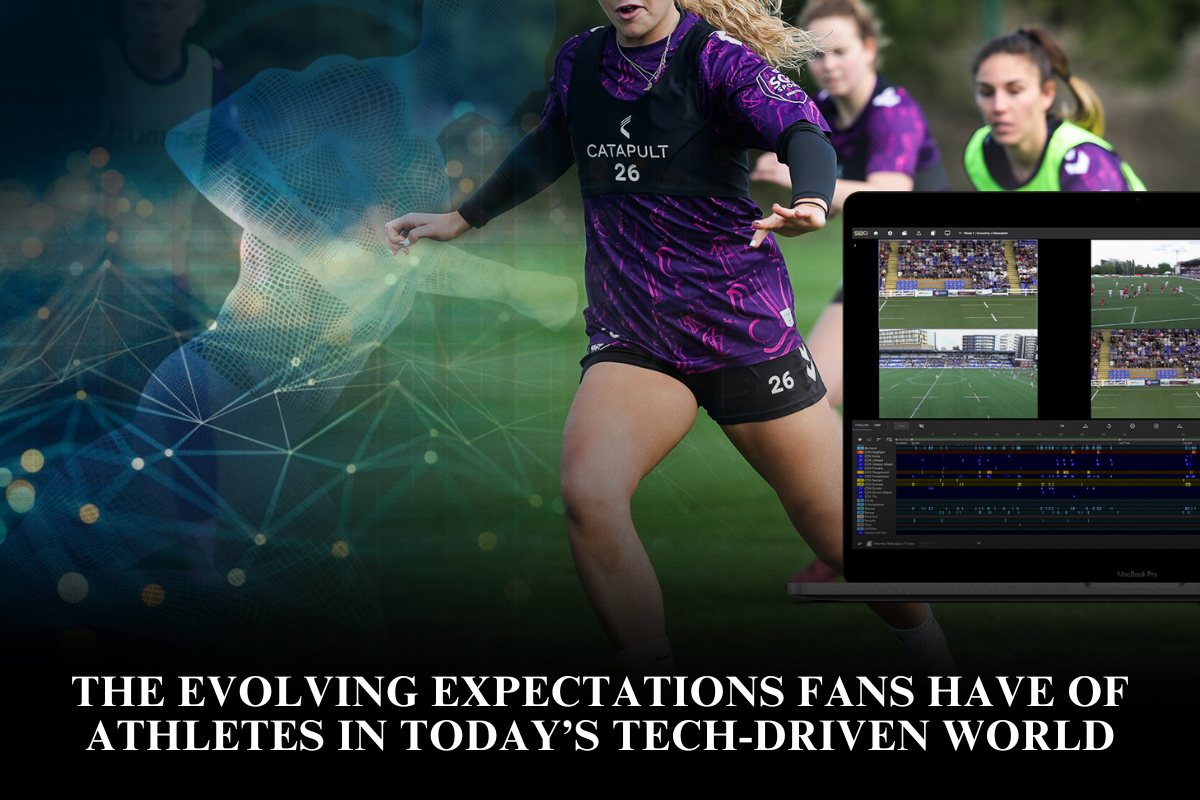
In the United States, athletes harness analytics metrics from social platforms, NIL marketplaces, and performance trackers to pinpoint personal strengths, understand fan demographics, and unlock lucrative partnerships. Tools like Opendorse and INFLCR deliver data on engagement rates, audience breakdowns, and valuation scores, empowering decisions in a $2.75 billion NIL market. This data-driven approach boosts earnings by 2-3x through targeted strategies, turning raw stats into competitive edges.
Key Metrics for Uncovering Athlete Strengths
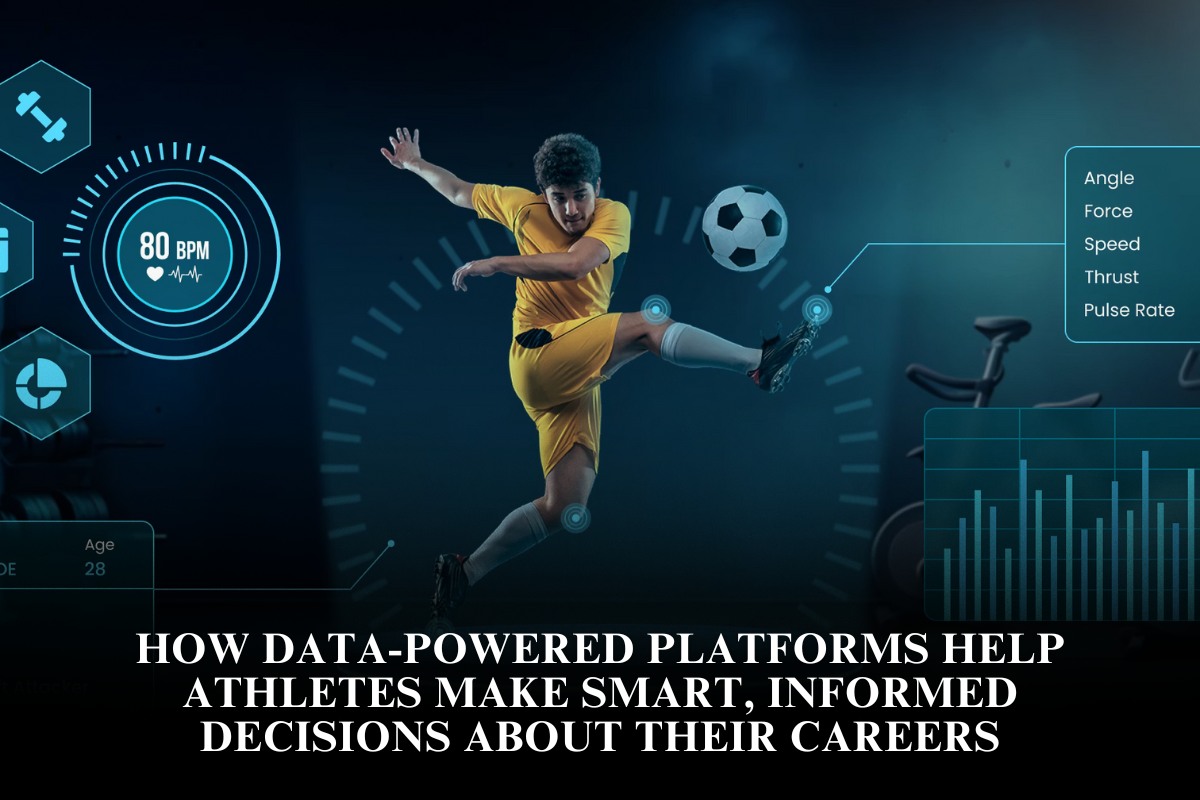
Performance analytics reveal strengths via KPIs like speed, endurance, and accuracy from GPS trackers and video software, allowing athletes to baseline abilities and refine training. Social metrics—engagement rates (likes, shares, comments)—highlight content strengths, such as storytelling or training videos yielding 5.18% rates for female college stars. NIL platforms compute valuations blending athletic stats with digital clout, identifying marketability peaks like high X engagement for rising talents.
For instance, top 15 NIL athletes correlate social presence with valuations, where 8% network-wide engagement outpaces solo accounts. These insights guide focus: a basketball player spotting high Reel views amplifies short-form video, enhancing personal brand resilience.
Mapping Audience Demographics Precisely
Demographic metrics segment fans by age, ethnicity, and behavior—US sports fans skew 30% Millennials, 16% Gen Z, 64% White, with platforms like Instagram revealing 18-24 dominance at 59% under-39. Analytics from ticket sales, merch, and social dissect preferences: young adults favor TikTok, enabling tailored content like polls for Gen Z loyalty. Sentiment analysis flags behaviors, such as 70% employed fans driving premium upsells.
Esports viewers average 29 years old, informing niche strategies, while team sports data (72.8% market share) personalizes for diverse groups like 18% Latino fans. This granularity boosts retention, as 53% join athlete-focused communities.
Spotting and Securing Partnership Opportunities
Metrics match athletes to brands via audience overlap—e.g., high Gen Z engagement attracts Vuori for Livvy Dunne’s $4.5M deals. Prodisphere’s AI matchmaking filters by sport, valuation, and demographics, securing compliant NIL with 100% deal completion tracking. Sponsors use exposure ROI and sentiment to prioritize, favoring athletes with verified superfans.
Fan engagement apps grow 15.2% CAGR, linking metrics to sponsorships like energy brands targeting endurance strengths. Data predicts behaviors, optimizing pitches: a runner with strong female demographics lands beauty endorsements.
Practical Tools and Platforms for US Athletes
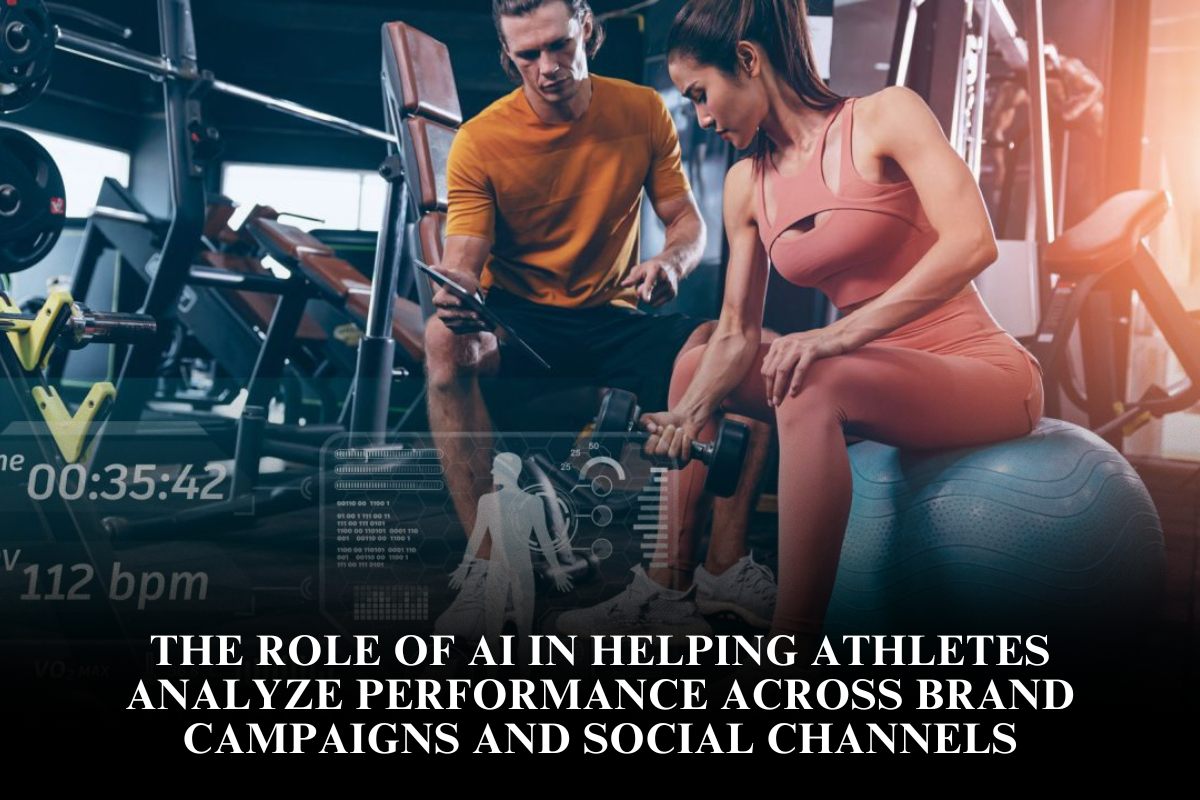
Opendorse offers deal management, tax tools, and social optimization for broad NIL access, even for smaller followings via MOGL. INFLCR ensures school compliance while browsing opportunities; analytics dashboards visualize trends like 42% female audiences. Teradata and BSN Sports provide real-time player evals, integrating with fan data for holistic views.
Free tools like Instagram Insights start basic segmentation, scaling to paid AI for predictive modeling. Athletes track via unified dashboards, refining quarterly for max ROI.
Long-Term Advantages in the NIL Era
Metrics foster sustained growth: personalized training cuts injuries, demographic tailoring lifts loyalty 40%, and partnership data yields long-term ambassadorships. In revenue-sharing NCAA landscapes, data-savvy athletes negotiate equity, building empires amid $25B social sports platforms.
Frequently Asked Questions (FAQs)
Q1. What core metrics reveal athlete strengths?
Engagement rates, performance KPIs (speed/endurance), and NIL valuations blending social clout with stats for content/training focus.
Q2. How do demographics guide content strategy?
Age/ethnicity breakdowns (e.g., 30% Millennials) pinpoint platforms like TikTok, boosting personalization and retention.
Q3. Which tools best spot partnerships?
Opendorse/INFLCR for AI matchmaking, Prodisphere for valuation filters matching audience to brands.
Q4. Can mid-tier athletes benefit?
Yes, MOGL connects smaller followings to local deals via behavioral insights, leveling the field.
Q5. How often should athletes review metrics?
Weekly for engagement, quarterly for demographics/valuations to adapt to trends like Gen Z shifts.