The new era of Name, Image, and Likeness (NIL) rights has revolutionized college sports, allowing student-athletes to partner with brands and profit from their personal image.
While this presents enormous opportunities for both sides, brands must approach these collaborations with authenticity, respect, and a shared sense of purpose.
College athletes aren’t just marketing tools—they’re voices of a generation balancing ambition, academics, and identity.
Understanding the College Athlete Mindset
College athletes represent a unique mix of passion, discipline, and authenticity. Unlike professional athletes, they are still building their personal brands while managing their education and sports commitments. Many value genuine relationships and causes over big paychecks.
To connect effectively, brands must understand their goals—whether it’s promoting local pride, supporting community causes, or sharing personal stories. By aligning with an athlete’s values and lifestyle, companies can foster partnerships that feel natural rather than transactional.
The Importance of Authentic Partnerships
Authenticity is the cornerstone of any successful NIL collaboration. College athletes’ followers—often peers, students, and local fans—can quickly detect inauthentic marketing. Brands should avoid forcing scripted endorsements or generic ads.
Instead, they should focus on partnerships that allow athletes to express themselves in their own voices.
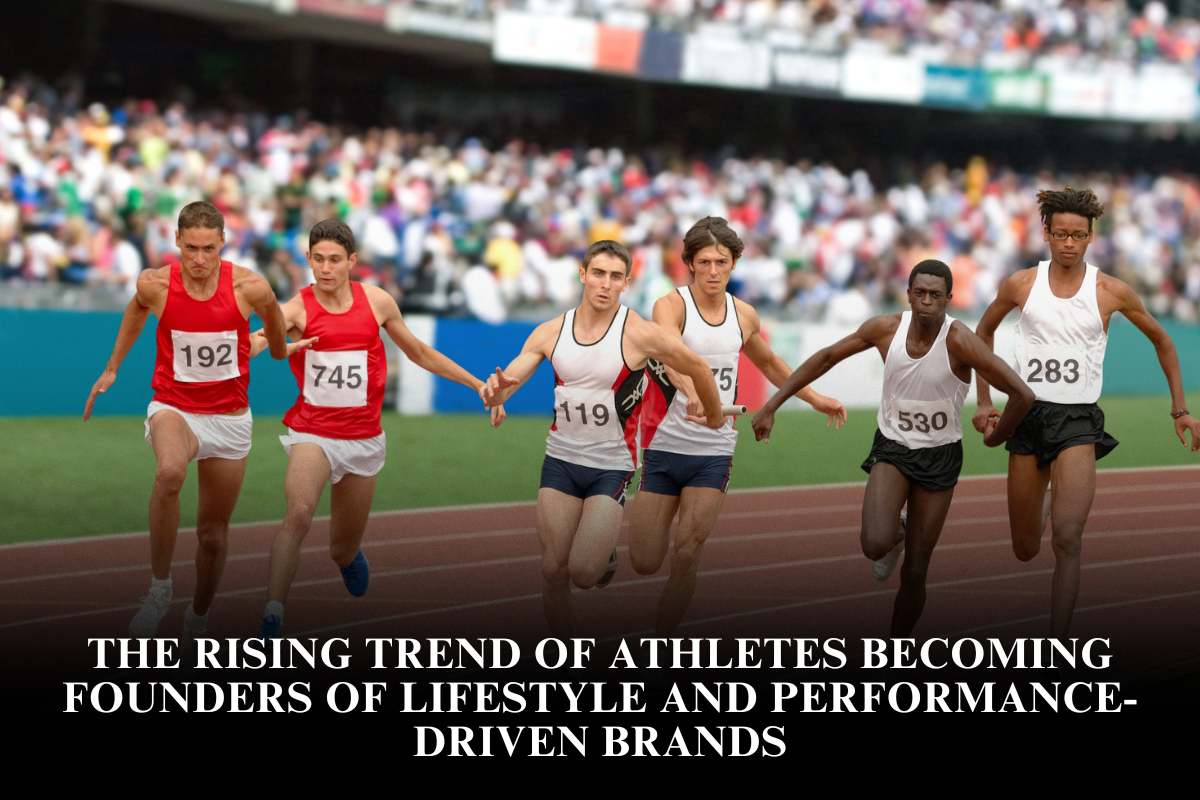
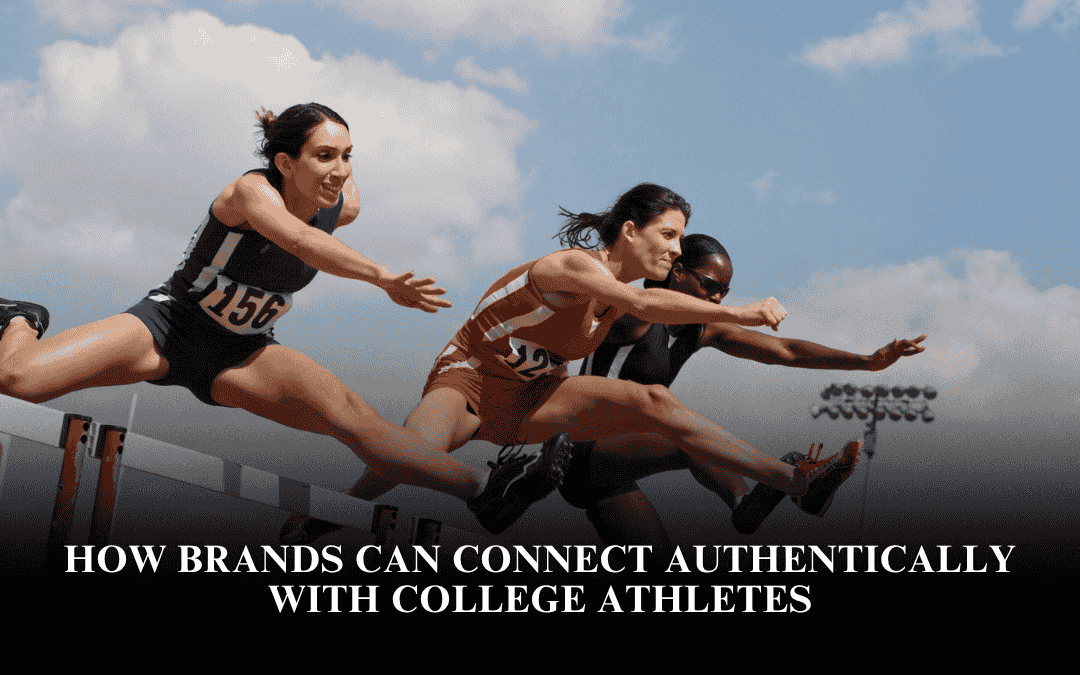
For example, a wellness brand could partner with a track athlete to discuss recovery routines, or a local restaurant could feature a player’s favorite meal. When campaigns highlight real experiences, audiences respond with trust and enthusiasm.
Leveraging Social Media and Storytelling
Social media plays a powerful role in shaping the athlete’s brand identity. Platforms like Instagram, TikTok, and X (Twitter) give athletes the space to share unfiltered moments from their lives—practice sessions, study routines, or charity work.
Brands should collaborate in ways that complement this content style. Rather than heavily produced ads, co-created content—like behind-the-scenes clips, Q&As, or personal reflections—resonates more deeply.
Storytelling through short videos or reels can humanize both the brand and the athlete, driving engagement through relatability.
Supporting Growth Beyond Sports
Brands that genuinely invest in an athlete’s development will build long-term loyalty. Providing mentorship, education, or opportunities for career growth beyond sports can set a brand apart.
For instance, financial companies can offer workshops on money management, while tech brands can provide internships or brand ambassadorships tied to future career paths.
Such gestures demonstrate that the partnership is not just about short-term visibility but about nurturing the athlete’s overall growth.
The Future of Brand-Athlete Collaboration
As NIL partnerships mature, brands that prioritize authenticity, transparency, and shared values will stand out. The most successful collaborations will be those that tell a story—one rooted in ambition, community, and authenticity. In this evolving space, genuine connection isn’t just good ethics—it’s smart marketing.
FAQs
Q1: Why is authenticity important in college athlete partnerships?
Because college athletes have close, trust-based relationships with their audiences, authenticity helps maintain credibility and makes the partnership more relatable and impactful.
Q2: How can brands find the right college athlete to partner with?
Brands should look for athletes whose values, audience, and interests align with their mission and target market rather than focusing solely on follower count.
Q3: What types of content work best for college athlete collaborations?
Behind-the-scenes videos, personal stories, community involvement posts, and interactive social media content often perform best for college athlete-brand collaborations.
Q4: What mistakes should brands avoid?
Brands should avoid overly scripted messaging, one-off deals with no follow-up, and partnerships that feel inauthentic or exploitative.