The Rise of Digital Personal Branding for Athletes
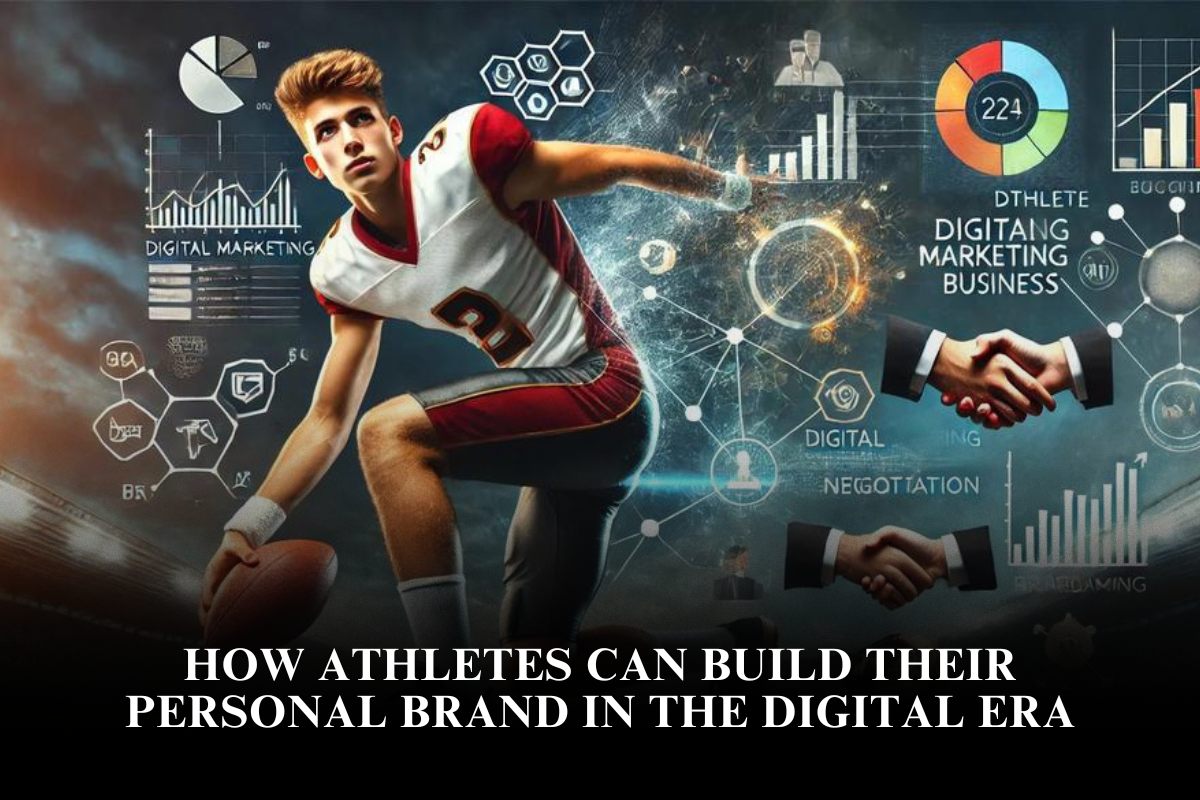
In today’s digital age, athletes have unprecedented opportunities to build a personal brand beyond their on-field performance. Social media platforms, streaming services, and online content channels provide athletes direct access to fans, sponsors, and media without traditional gatekeepers.
A strong personal brand not only boosts public recognition but also opens doors to lucrative endorsements, post-career ventures, and social impact initiatives. Understanding how to craft and maintain this brand is essential for athletes aiming to maximize their influence and career longevity.
Crafting an Authentic and Engaging Online Presence
The foundation of any successful athlete personal brand is authenticity. Audiences connect most deeply with athletes who share genuine stories, values, and behind-the-scenes glimpses into their lives.
Creating consistent, high-quality content across platforms like Instagram, TikTok, Twitter, and YouTube helps athletes showcase their unique personalities, training journeys, and passions off the field. Engagement matters as much as content creation—responding to fan comments, hosting live sessions, and collaborating with other influencers humanizes athletes and builds loyal communities.
Leveraging Visual and Video Storytelling
Visual content is king in personal branding. Athletes benefit from sharing compelling photos and videos that highlight their skills, lifestyle, and moments of triumph and struggle. Short-form video content, especially reels or stories, captures audience attention quickly and encourages sharing.
Storytelling through video diaries, tutorials, and motivational messages strengthens emotional ties and portrays athletes as relatable role models. Investing in quality production, even if simple and authentic, elevates brand perception and professionalism.
Aligning Brand with Values and Causes
Modern audiences value athletes who use their platforms responsibly, aligning their brands with causes they genuinely support. Championing social justice, mental health, environmental sustainability, or local community initiatives enriches an athlete’s narrative and fosters deeper connections.
Strategic partnerships with charities or advocacy groups, highlighted through digital campaigns, showcase an athlete’s commitment beyond sport. This values-driven branding enhances positive public image and attracts like-minded sponsors.
Managing Reputation and Navigating Challenges
While digital platforms offer tremendous potential, they also expose athletes to scrutiny and risks. Proactive reputation management is critical—this includes thoughtful content planning, privacy boundaries, and rapid response strategies for controversies.
Employing professional digital managers or PR consultants can help monitor brand health, craft crisis responses, and optimize messaging. Cultivating resilience and positivity online not only preserves the brand but also sets an example for fans navigating their own digital worlds.
Monetizing the Brand Through Sponsorships and Content
A well-developed personal brand translates into financial opportunities. Sponsored posts, branded merchandise, exclusive content subscriptions, and personal appearances diversify an athlete’s income streams. Digital platforms facilitate direct sales and fan engagement with products, maximizing monetization.
Transparency about partnerships and maintaining authenticity ensures credibility while expanding revenue avenues. The key lies in balancing commercial interests with maintaining trust and fan loyalty.
Frequently Asked Questions (FAQ)
1. Why is digital personal branding important for athletes?
It builds fan loyalty, expands earning potential, and opens opportunities beyond active sports careers.
2. What platforms are best for athletes to build their brands?
Instagram, TikTok, Twitter, and YouTube are popular due to their visual and interactive features.
3. How can athletes ensure authenticity online?
By sharing real stories, engaging genuinely with fans, and being consistent in voice and values.
4. What role do social causes play in athlete branding?
Supporting causes enhances credibility, connects with fans on deeper levels, and attracts responsible sponsors.
5. How should athletes handle negative online situations?
With proactive management, professional support, transparent communication, and maintaining a positive digital presence.
6. What are common ways athletes monetize their personal brand?
Through endorsement deals, merchandise, sponsored content, paid subscriptions, and appearances.