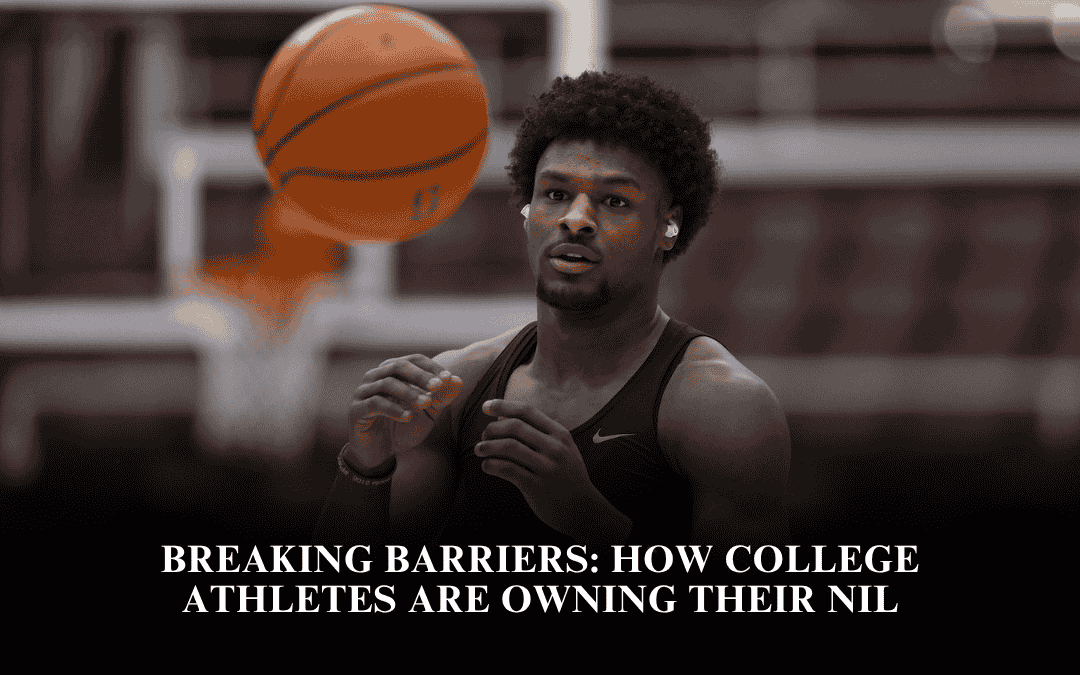
College athletes in the U.S. have begun to break longstanding barriers by gaining unprecedented control over their Name, Image, and Likeness (NIL), empowering them both financially and socially in ways that were unthinkable just a few years ago.
This article explores the transformative impact of NIL rules, highlighting how athletes are leveraging these new opportunities.
The Rise of NIL Rights
In 2021, the NCAA and states across the U.S. changed the rules, allowing college athletes to profit from their personal brand through the sale and licensing of their name, image, and likeness.
Previously, such compensation was prohibited, limiting athletes’ potential to monetize their skills beyond scholarships. With NIL, every athlete—whether a star quarterback or a gymnast at a smaller school—can pursue endorsement deals, business ventures, and social media sponsorships.
Leveling the Playing Field
NIL opportunities are making college sports more inclusive. Traditionally marginalized groups—such as women athletes and competitors from less-prominent schools—are now earning recognition and financial rewards.
Female athletes in basketball and soccer are signing major deals, showing that women’s sports are a marketing force. Athletes of color, often spotlighted for their achievements on the field, are now building brands and securing lucrative partnerships off the field, helping close long-standing gaps in representation and compensation.
Owning Their Stories, Breaking Stereotypes
NIL is about more than money; it’s about athletes controlling their narratives. Partnerships today often reflect who the athlete is, their values, and their story.
For example, some athletes use their platform to advance causes they care about, from social justice to community advocacy, aligning with brands that support their passions.
This authenticity not only earns revenue but helps them become role models, transcending the old stereotypes of student-athletes.
Financial Independence and Education
For many student-athletes, NIL is a lifeline for paying tuition, buying gear, and supporting family.
Some states and schools now require financial literacy education for athletes, helping them understand contracts, taxes, and responsible investing—skills that will benefit them long after graduation.
The new rules allow universities to share athletics revenue up to certain limits, giving athletes direct compensation through official channels, further professionalizing the system.
The Entrepreneurial Athlete
Many athletes are taking initiative, launching merchandise lines, hosting clinics, or creating content online. These entrepreneurial ventures help them build independence from universities and create lasting value for themselves, setting up careers in business, media, and beyond.
What does NIL stand for?
“NIL” means Name, Image, and Likeness, referring to the rights of athletes to profit from their persona through endorsements, merchandise, and more.
FAQs
How do athletes earn from NIL?
Athletes can sign brand endorsements, launch their own products, monetize social media, and benefit from collective funding raised by supporters.
Which athletes benefit most from NIL?
While star football and basketball players often earn significant deals, NIL is helping women athletes, competitors from less-publicized sports, and athletes from all backgrounds gain recognition and income.
Is financial education part of NIL deals?
Many schools now require NIL recipients to attend financial literacy workshops, advising them on contracts, budgeting, and long-term financial planning.
What is the future of NIL?
In 2025, schools can share up to $20.5 million annually in athletics revenue with athletes via NIL, marking a new era in college sports.