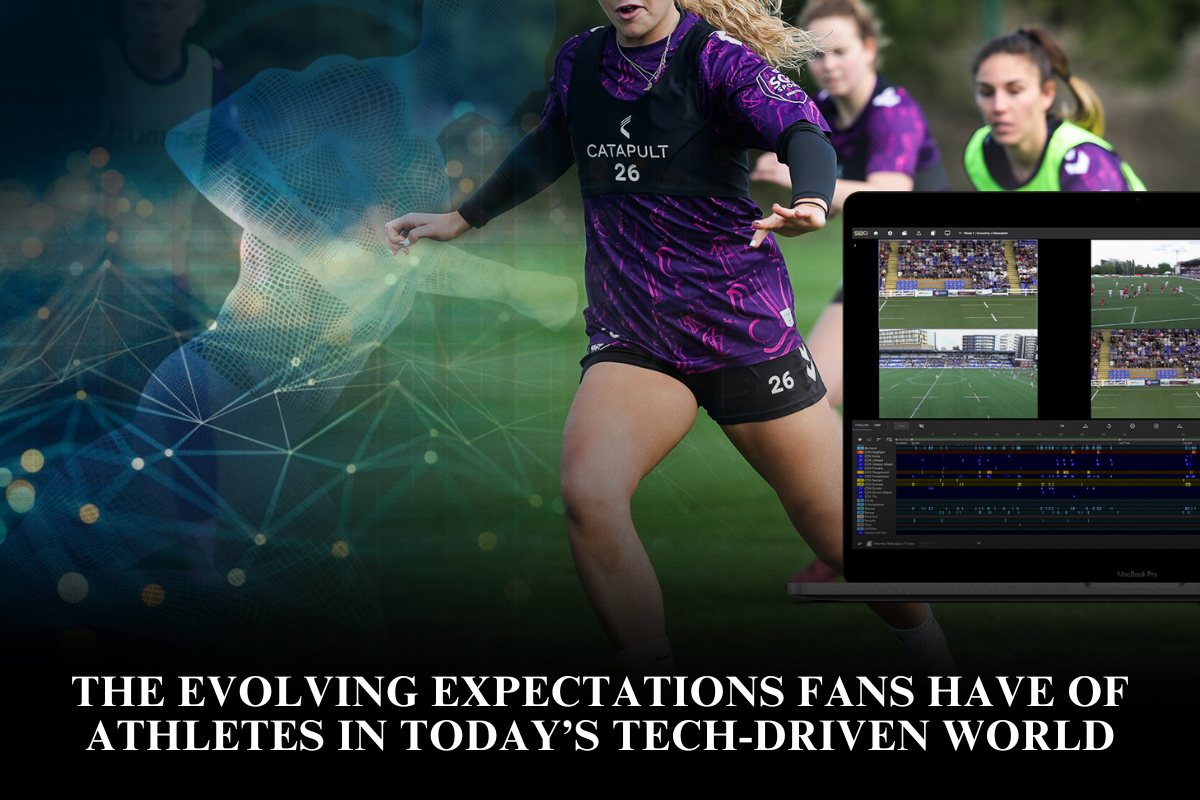
In the digital age, social media has become an essential tool for athletes to build their personal brand, connect with fans, and grow their audience. Successful athletes leverage strategic content, engagement, and innovation to stand out in a crowded digital landscape.
Here are key tips for modern athletes looking to maximize their social media presence.
Authentic Content Creation
Authenticity resonates most with modern audiences. Fans crave unfiltered, real glimpses into an athlete’s life. Sharing behind-the-scenes moments, training routines, and personal stories helps forge genuine connections.
For instance, elite athletes like Serena Williams and Usain Bolt frequently post engaging visuals and videos that showcase their routines, personalities, and journey.
Consistency and Engagement
Regular posting and active engagement are critical. Athletes who maintain a consistent presence, like Serena Williams’ “Serena Saturdays,” keep fans informed and involved. Responding to comments, hosting live Q&As, and encouraging fan participation foster community and loyalty.
Leverage Visual and Video Content
High-quality visuals and videos stand out. Short clips of training drills, game highlights, or personal milestones drive higher engagement. Platforms like TikTok and Instagram prioritize visual storytelling, making short-form content especially effective.
Collaborations and Influencer Partnerships
Partnering with fellow athletes, brands, and influencers broadens reach. Collaborative content, such as joint training videos or behind-the-scenes series, taps into new audiences. Kevin Durant and Draymond Green’s YouTube series exemplify how strategic partnerships can amplify an athlete’s brand.
Community-Driven Campaigns
Fostering a sense of community leads to deeper loyalty. Hosting challenges, polls, and interactive campaigns—like voting on jersey designs or fan-submitted content—encourages participation and creates a more personal fan experience.
Use of Data and Analytics
Analyzing engagement metrics helps refine content strategies. Understanding which posts generate the most interaction allows athletes to tailor their messages, optimize posting times, and focus on content that resonates best with their audience.
Embracing New Technologies
Emerging tools like AI, AR, and virtual meetups offer innovative ways to engage fans. Virtual events, 360° videos, and augmented reality demos provide immersive experiences, keeping audiences excited and connected.
FAQs
Q: How often should athletes post on social media?
A: Consistency is more important than frequency. Many successful athletes post regularly, such as weekly or a few times a week, ensuring content remains fresh and engaging without overwhelming followers.
Q: What type of content works best for athlete branding?
A: Authentic, behind-the-scenes content, training clips, personal stories, and engaging fan challenges tend to perform well, fostering trust and relatability.
Q: How can athletes grow their followers organically?
A: Engaging authentically with fans, collaborating with other athletes and brands, and creating shareable content are key strategies for organic growth.
Q: What platforms should athletes focus on?
A: Top platforms include Instagram, TikTok, and YouTube, each suited for visual storytelling, short-form videos, and in-depth content respectively. Tailoring content for each platform maximizes reach.
Q: How important is engagement in social media growth?
A: Extremely important. Responding to comments, running Q&As, and creating interactive campaigns build a loyal community, which is crucial for long-term growth and brand loyalty.