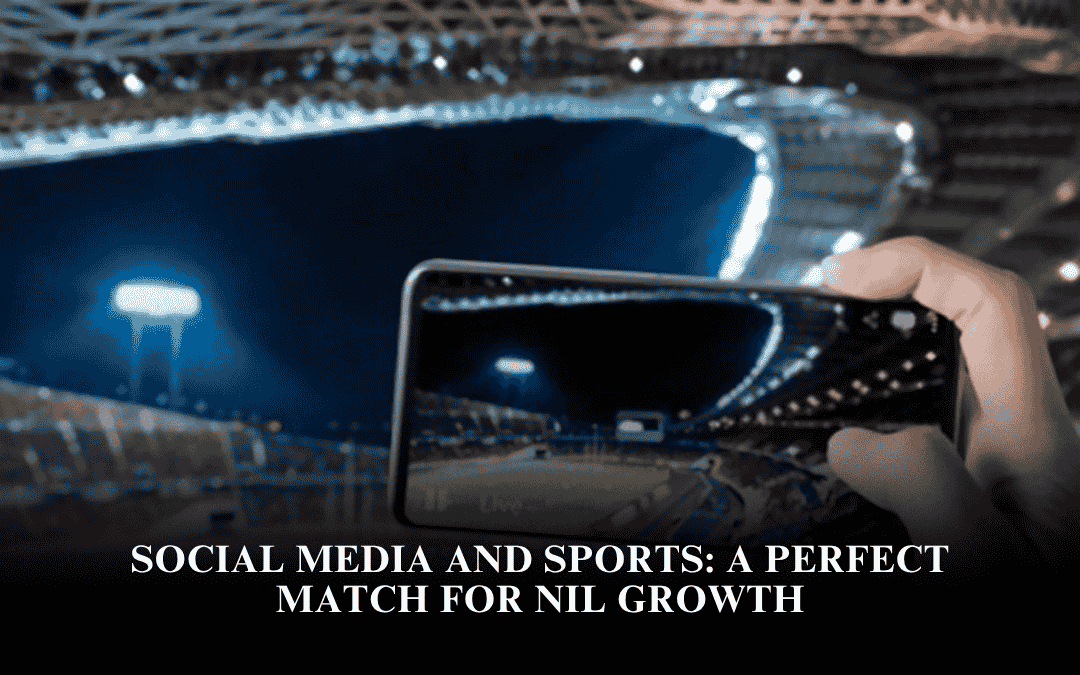
The sports world has undergone a digital revolution, and social media stands at the center of it. With the rise of the Name, Image, and Likeness (NIL) era, college and amateur athletes are no longer limited to their athletic performance for recognition and income.
Platforms like Instagram, TikTok, and X (formerly Twitter) have become powerful tools for athletes to build personal brands, connect with fans, and monetize their identities.
Understanding NIL and Its Impact
The NIL policy, introduced by the NCAA in 2021, allows college athletes to profit from their personal brand without jeopardizing their eligibility to compete. This groundbreaking shift has democratized opportunity—no longer are endorsements reserved for professional superstars.
From Division I stars to small-school standouts, any athlete with a strong social media following can now attract sponsorships and brand deals.
NIL has effectively transformed college sports into a business arena. Instead of waiting for a professional contract, athletes can now become entrepreneurs early, learning to manage brand partnerships, marketing strategies, and personal finance.
The Power of Social Media Platforms
Social media has become the main driver of NIL success. Instagram’s visual storytelling, TikTok’s viral trends, and YouTube’s long-form content allow athletes to showcase their personalities and creativity.
These platforms also enable direct interaction with fans, building authentic communities that brands find highly valuable.
Athletes like Livvy Dunne, a gymnast at LSU, have leveraged social media to secure multi-million-dollar endorsement deals. Her online presence combines athletic highlights, lifestyle content, and fan engagement—making her a prime example of how digital influence can equal, or even surpass, athletic achievements in generating revenue.
Building a Personal Brand
A successful NIL strategy begins with personal branding. Athletes must define what makes them unique—whether it’s humor, style, activism, or performance. By sharing consistent and relatable content, athletes can build trust and loyalty with their audience.
Brand authenticity is key. Followers prefer genuine, transparent content over polished perfection. The most successful NIL athletes maintain a balance between their sports persona and everyday life, showing fans who they are beyond the uniform.
Challenges and Responsibilities
While social media offers immense opportunity, it also brings challenges. Managing multiple platforms, navigating contracts, and staying compliant with NCAA rules can be overwhelming.
Athletes must also be cautious about their digital footprint, as online behavior can affect future opportunities.
Educational programs and NIL agencies have emerged to help athletes make informed decisions, ensuring they protect their image and maximize their earning potential responsibly.
The Future of NIL and Social Media
As NIL evolves, the bond between sports and social media will only grow stronger. With new monetization tools and AI-driven marketing analytics, athletes can better understand their audience and measure their influence.
In this new landscape, talent alone isn’t enough—digital presence is now part of the playbook for success.
FAQs
Q1: What is NIL in college sports?
NIL stands for Name, Image, and Likeness. It allows college athletes to earn money from endorsements, sponsorships, and social media content.
Q2: How does social media impact NIL opportunities?
Social media gives athletes a direct platform to build a personal brand, attract sponsors, and engage with fans—key factors in NIL success.
Q3: Which platforms are most effective for NIL growth?
Instagram, TikTok, and YouTube are leading platforms because they allow athletes to showcase their personalities and reach wide audiences.
Q4: What should athletes consider before signing NIL deals?
Athletes should understand contract terms, stay compliant with school and NCAA rules, and maintain authenticity to protect their long-term reputation.