The world of sports marketing has undergone a dramatic transformation since the introduction of Name, Image, and Likeness (NIL) rights. For the first time, student-athletes in the United States can legally profit from their personal brand while maintaining college eligibility.
This change has created an exciting new landscape for businesses, universities, and athletes alike. Understanding how to navigate NIL partnerships effectively can unlock powerful marketing opportunities—if done strategically and ethically.
Understanding NIL: A New Era of Athlete Marketing
NIL refers to an athlete’s right to monetize their name, image, and likeness, allowing them to sign endorsement deals, appear in advertisements, sell merchandise, or engage in paid social media promotions.
Since the NCAA approved NIL activities in 2021, thousands of college athletes have entered the business world, partnering with local and national brands.
For businesses, NIL partnerships offer a chance to tap into authentic, engaged audiences, especially among Gen Z consumers. Whether through influencer-style campaigns, event appearances, or branded content, NIL deals can humanize a brand and expand its reach in ways traditional advertising cannot.
Why NIL Partnerships Matter for Businesses
Businesses of all sizes can benefit from NIL collaborations—not just large corporations. Local companies, restaurants, gyms, and clothing stores can partner with nearby college athletes to reach loyal community fans.
Unlike traditional celebrity endorsements, NIL deals are often cost-effective and highly targeted, as college athletes typically have strong ties to specific universities and local audiences.
Moreover, NIL partnerships support authentic storytelling. Consumers today value transparency and community connection, and college athletes often embody these values. Their involvement can make a brand feel more relatable, inclusive, and socially aware.
Legal and Ethical Considerations
Before launching an NIL campaign, businesses must understand the legal and compliance frameworks. Each state and university may have unique regulations governing NIL agreements. It’s essential to:
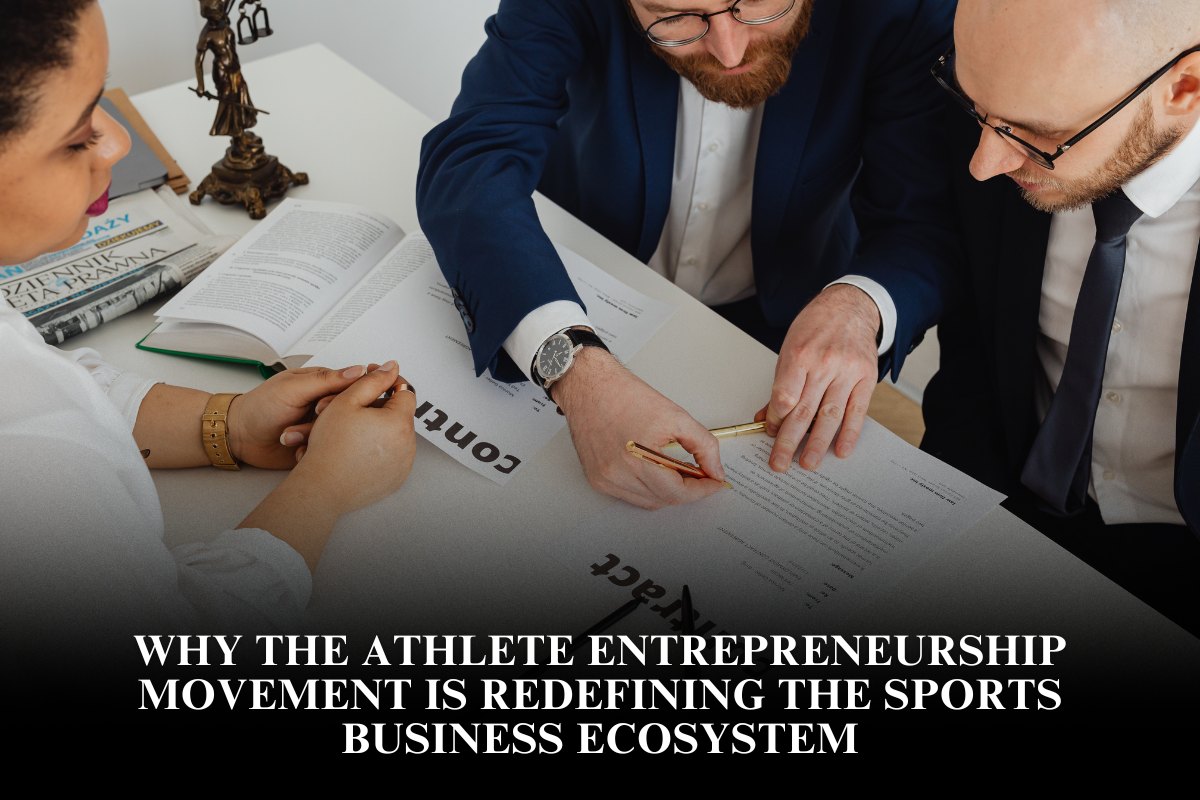
- Draft clear, written contracts outlining deliverables and compensation.
- Ensure the partnership aligns with NCAA and institutional guidelines.
- Avoid conflicts with existing school sponsorships or prohibited product categories (such as alcohol or gambling).
Transparency is key—both parties should maintain clear records and ensure taxes and disclosures are handled properly. Consulting legal experts or NIL agencies can prevent compliance pitfalls.
Building Authentic and Effective Partnerships
Successful NIL collaborations go beyond logos and hashtags—they build mutual value. Businesses should choose athletes whose values, personality, and audience align with their brand identity.
For example, a fitness brand might partner with a track star known for discipline and motivation, while a local restaurant could team up with a popular campus athlete to attract student customers. The best deals are relationship-driven, not transactional.
The Future of NIL in Business
The NIL era is still young, but it’s reshaping how brands engage with the next generation of consumers. As the industry matures, expect to see more data-driven strategies, long-term partnerships, and innovative digital collaborations.
Businesses that enter this space with authenticity and respect will find themselves ahead of the curve.
FAQs
Q1: What does NIL stand for?
NIL stands for Name, Image, and Likeness, referring to an athlete’s right to earn money from their personal brand.
Q2: Can small businesses participate in NIL deals?
Yes. Small and local businesses can benefit greatly from NIL partnerships, often forming affordable, community-based collaborations.
Q3: Are there restrictions on NIL partnerships?
Yes. Rules vary by state and university, and some products—like alcohol, tobacco, or gambling—may be off-limits for athlete endorsements.
Q4: How can businesses find athletes to partner with?
Companies can connect through university NIL programs, marketing agencies, or dedicated NIL platforms that match brands with eligible athletes.
Q5: Why are NIL deals valuable for marketing?
They offer authentic, relatable storytelling and reach audiences that traditional advertising often can’t engage effectively.