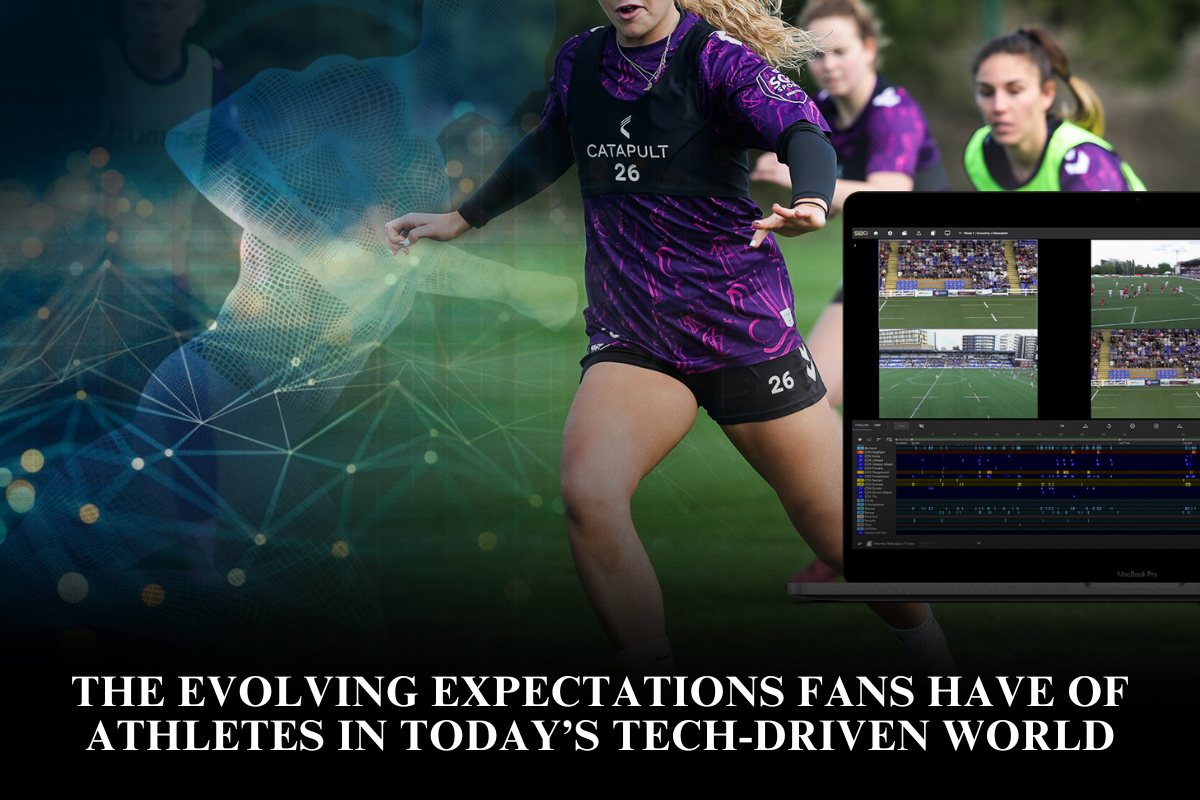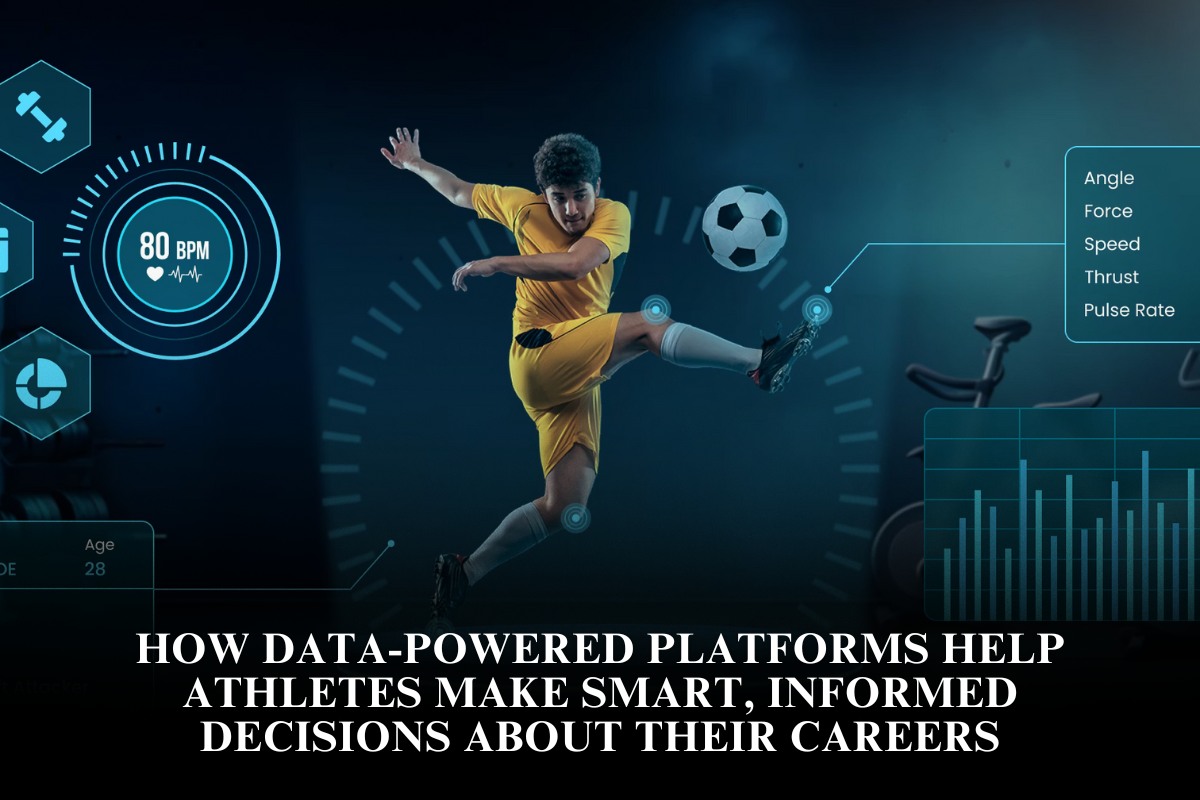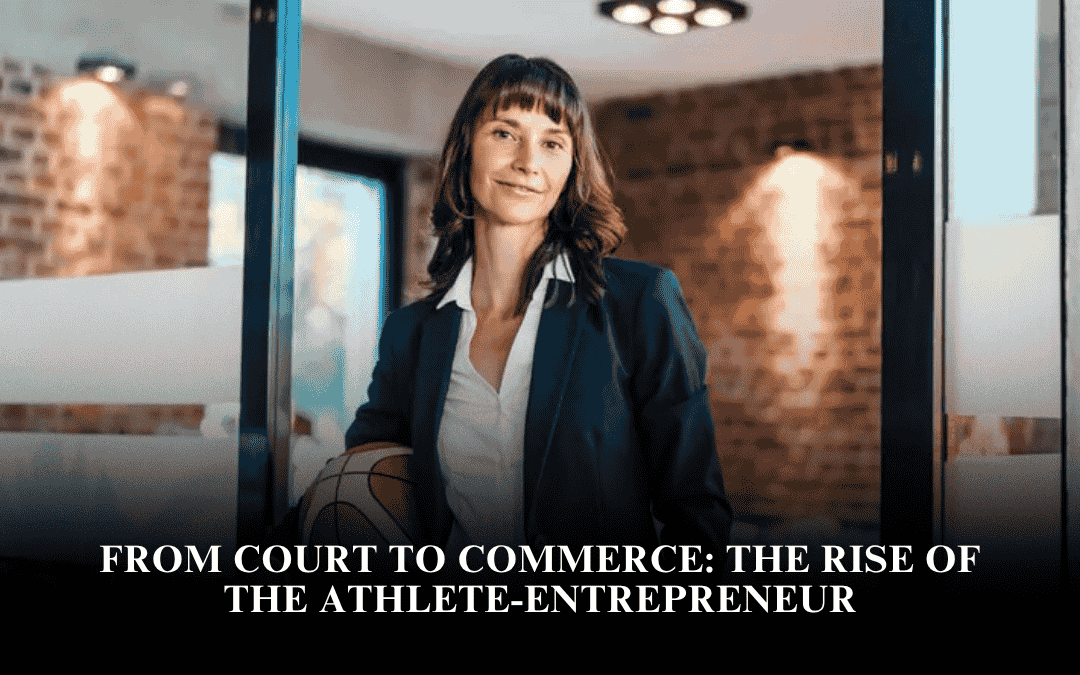
In the modern era, athletes are no longer defined solely by their performance on the field or court. A new generation of sports professionals is embracing entrepreneurship—transforming fame, discipline, and personal branding into sustainable business empires.
This shift from “player” to “entrepreneur” signifies a major evolution in how athletes view their careers and legacies.
The Changing Game: Beyond the Field
Historically, athletes relied heavily on salaries and endorsements. However, with growing awareness of the short lifespan of sports careers, many are diversifying their income streams. Social media and direct-to-consumer platforms have empowered athletes to build personal brands independent of their teams or leagues.
LeBron James, for example, has expanded his influence beyond basketball through media company SpringHill Entertainment and various investments. Similarly, Serena Williams launched her own venture fund, supporting minority-owned and women-led businesses.
These examples show how athletes are leveraging their influence to shape industries far removed from sports.
The Power of Personal Branding
Athletes have a unique advantage: authenticity and fan loyalty. Their journey, discipline, and struggles resonate with millions. By capitalizing on that emotional connection, they can convert followers into customers.
Brands like Michael Jordan’s “Air Jordan” or Cristiano Ronaldo’s “CR7” demonstrate the power of identity-driven commerce. Modern athletes are now directly involved in product design, marketing, and strategy—ensuring that their businesses reflect their personal values and vision.
The Role of Technology and Social Media
Digital transformation has accelerated the athlete-entrepreneur movement. Platforms such as Instagram, TikTok, and YouTube give athletes direct access to global audiences, allowing them to tell their own stories and promote their ventures authentically.
Moreover, technology has opened new avenues in e-commerce, NFTs, and fitness apps. Naomi Osaka, for example, has used her platform to launch fashion collaborations and mental-health initiatives, blending activism with entrepreneurship. Technology has become the bridge connecting athletic influence with business innovation.
Challenges and Lessons
Despite the glamour, transitioning from athlete to entrepreneur comes with challenges. Managing finances, building teams, and understanding market dynamics require education and mentorship. Some athletes, like Shaquille O’Neal, have shared how financial missteps early in their careers taught them the importance of financial literacy.
The key lesson? Athletic success does not automatically translate to business success—but the traits that drive sports excellence—discipline, resilience, and focus—are equally vital in entrepreneurship.
The Future of Athlete-Led Businesses
The future looks bright for athlete entrepreneurs. With the rise of social responsibility and purpose-driven business, fans expect their idols to stand for something meaningful. Whether investing in startups, launching sustainable brands, or creating community initiatives, today’s athletes are redefining what it means to “win.”
FAQs
Q1: What motivates athletes to become entrepreneurs?
Athletes pursue entrepreneurship to secure financial independence, extend their influence beyond sports, and create lasting legacies after retirement.
Q2: Which athletes are known for their business ventures?
LeBron James, Serena Williams, Michael Jordan, and Shaquille O’Neal are among the most successful athlete-entrepreneurs globally.
Q3: What industries do athlete-entrepreneurs typically invest in?
They often explore sectors like fashion, fitness, media, tech startups, health, and real estate.
Q4: How does entrepreneurship impact an athlete’s brand?
It enhances their personal brand by demonstrating versatility, leadership, and long-term vision beyond athletic achievements.