Emerging technologies empower U.S. athlete entrepreneurs to blend athletic expertise with business innovation, creating scalable ventures in performance, branding, and fan engagement.
Tools like AI, wearables, VR/AR, blockchain, data analytics, and biotech enable former and active athletes to launch startups that optimize training, personalize recovery, and monetize personal brands directly. These advancements shift athletes from endorsers to founders, fueling a sports tech ecosystem valued at billions.
AI and Wearables Revolutionize Training
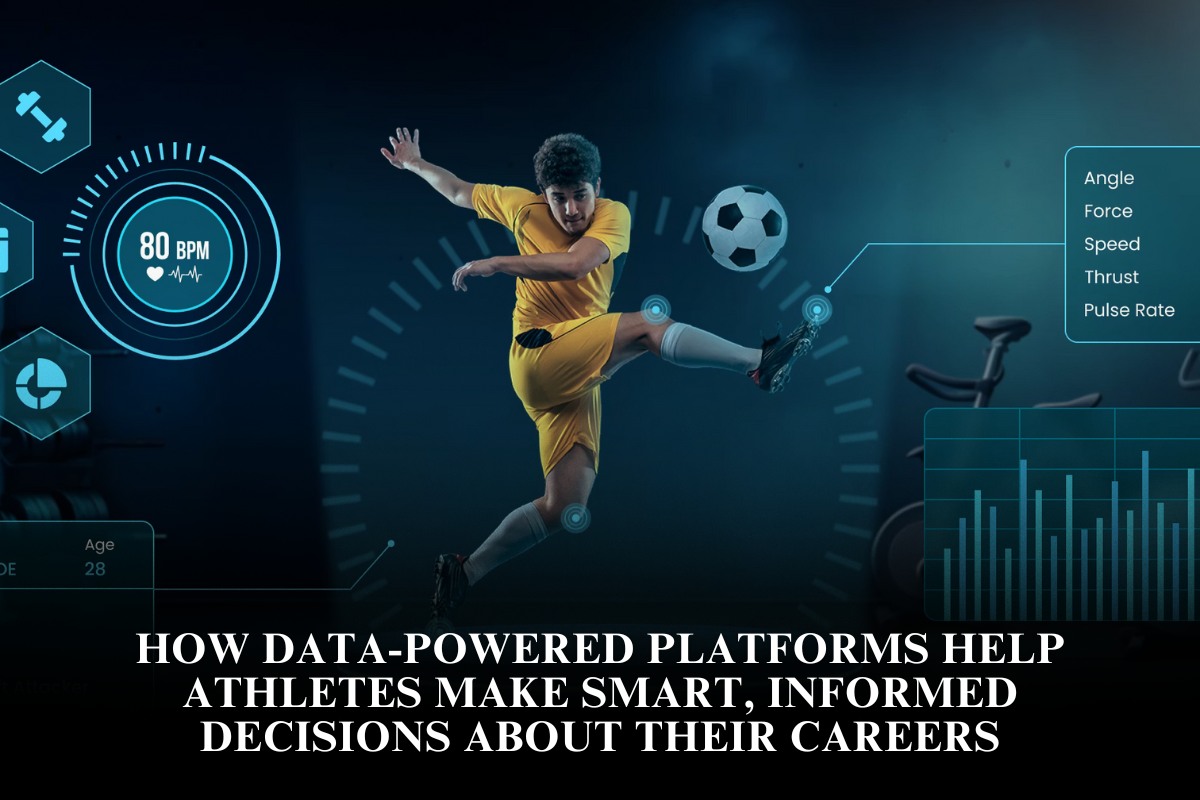
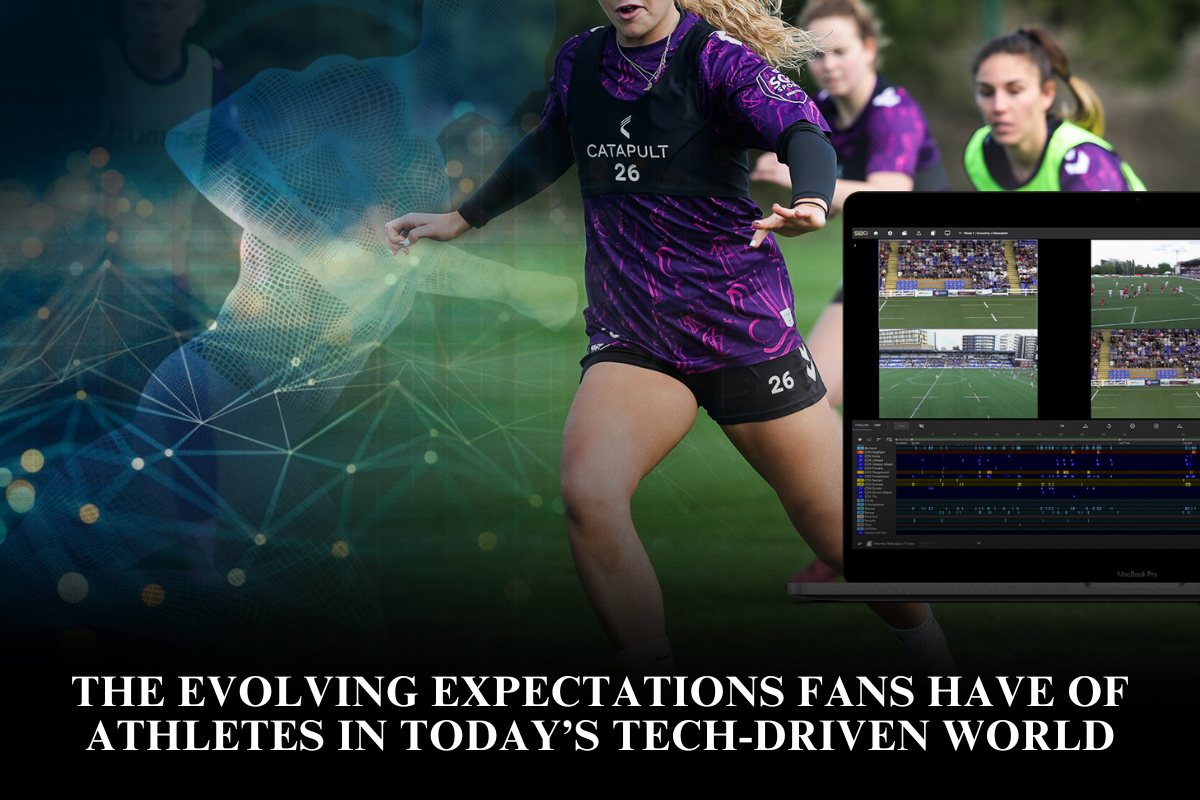
AI-driven wearables provide real-time performance analytics, allowing athlete entrepreneurs to develop apps and platforms for personalized coaching accessible to pros and amateurs alike. Companies like Springbok Analytics, co-founded by former athletes and backed by NBA initiatives, use AI to analyze MRI scans into 3D muscle models, helping NFL, NBA, and MLB teams prevent injuries and customize training.
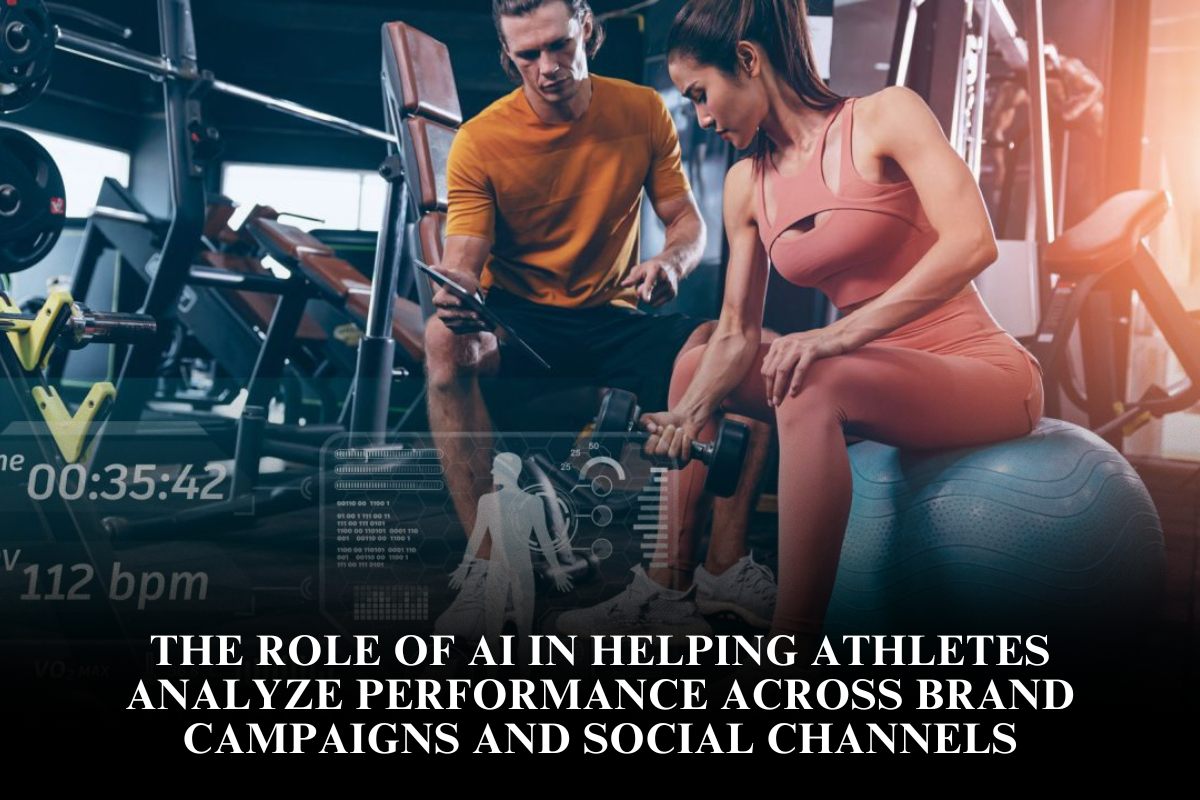
Curv AI, supported by NFL funding, offers video-based biomechanical insights and leaderboards, enabling entrepreneurs to rank athletes globally and sell tailored regimens via smartphones. These tools lower barriers, letting athlete founders like those at Kinny create sensor-integrated apparel for rehab and performance tracking.
VR/AR Enhances Skill Development and Scouting
Virtual and augmented reality simulate game scenarios, boosting tactical awareness by up to 20% and enabling athlete-led training platforms. U.S. teams like the San Francisco 49ers employ VR for quarterback decision-making, while startups build customizable XR programs for peak fitness.
Entrepreneur-athletes leverage this for ventures like smart academies, where coaches manage group sessions remotely, or scouting tools rating global talent via digital interfaces. Such tech empowers founders to scale coaching businesses without physical presence.
Blockchain and NFTs Transform Branding
Blockchain enables direct fan monetization through NFTs, bypassing agents for athlete-owned platforms like Tom Brady’s Autograph, which partners with stars for collectibles and experiences. U.S. examples include NOCAP Sports’ NIL marketing tech and FANtium’s profit-sharing tokens, where fans buy stakes in athletes’ earnings.
SportsIcons issues NFTs of iconic moments on Flow blockchain, creating new revenue from digital memorabilia tied to real-world perks. This disintermediation lets entrepreneurs build autonomous brands with smart contracts for sponsorships and fantasy integrations.
Data Analytics Drives Business Decisions
Advanced analytics uncover opportunities in revenue forecasting, fan engagement, and product development, turning data into entrepreneurial gold. U.S. sports entrepreneurs use tools for dynamic pricing, sponsorship optimization, and performance software, with programs like University of Charleston’s sport analytics training aspiring founders.
Wearable data integration creates subscription models, as seen in startups blending AI insights with cloud dashboards for youth sports and esports. Athlete-led firms like Second Spectrum exemplify how granular metrics fuel scalable consultancies.
Biotech Accelerates Recovery and Nutrition
Biotech innovations like stem cells and AI supplements redefine recovery, with athlete founders mining gut bacteria for probiotics or creating personalized formulas. Springbok’s muscle analytics extend to precision medicine, while Bioniq—backed by pros like Manchester United’s Diogo Dalot—uses biomarkers for custom nutrition. U.S. ventures focus on scalable solutions for elite and amateur markets, reducing injury downtime and spawning startups in rehab wearables.
Future Opportunities for Athlete Entrepreneurs
The U.S. sports tech boom, with 100+ startups and VC firms like Sapphire Sport investing in athlete-backed ideas, positions founders to dominate niches like esports and personalized health. Convergence of AI wearables, VR, and blockchain creates ecosystems for fan-owned teams and tokenized events, as in Datavault AI’s Dream Bowl. Entrepreneurs gain edges in global markets, with platforms enabling autonomous models that prioritize athlete control.
FAQs
1. What AI tools are U.S. athlete entrepreneurs using most?
AI platforms like Springbok Analytics for muscle analysis and Curv AI for video biomechanics top the list, enabling personalized training apps.
2. How does VR benefit athlete-led businesses?
VR simulates scenarios for tactical training, allowing scalable virtual coaching ventures used by NFL teams.
3. Can blockchain help athletes fund startups?
Yes, NFTs via platforms like Autograph provide direct fan funding and branding without intermediaries.
4. What role does data analytics play in sports entrepreneurship?
It identifies revenue streams like dynamic pricing and powers consultancies for teams.
5. How is biotech changing athlete recovery ventures?
Personalized probiotics and MRI analytics from firms like FitBiomics cut healing times for pros.