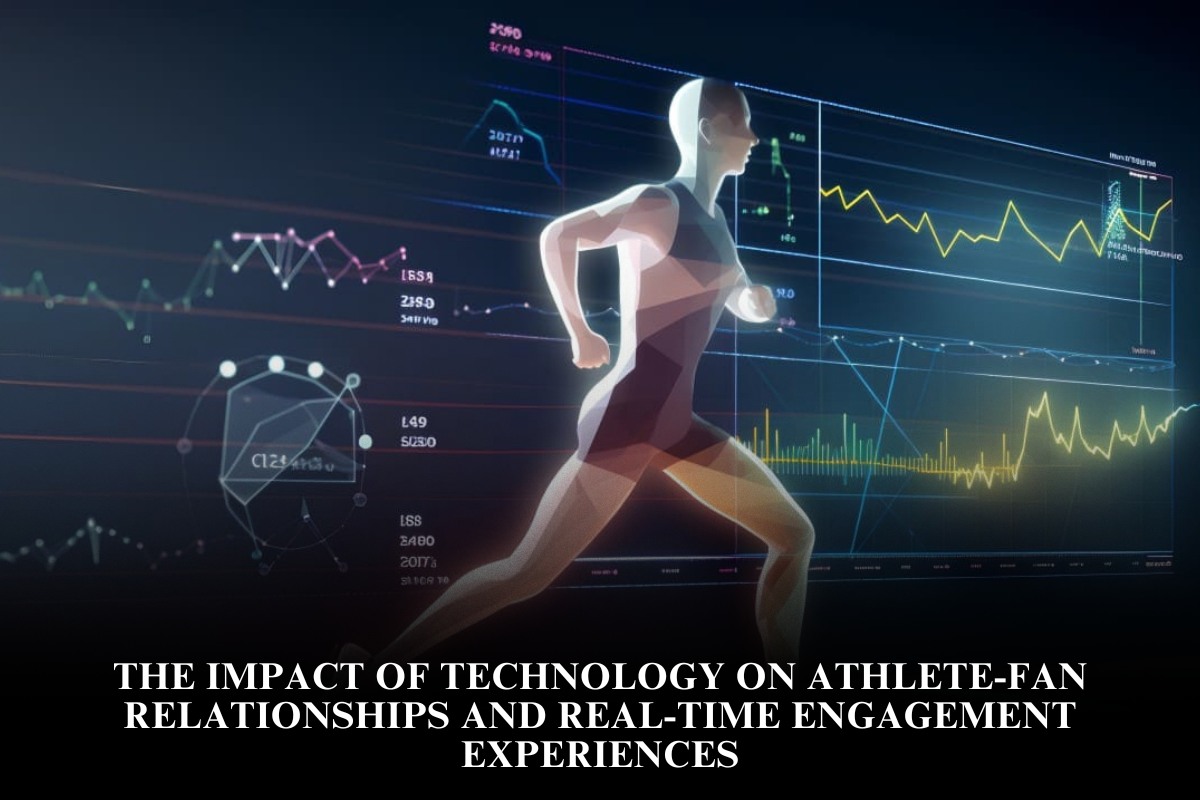
Technology has transformed athlete-fan relationships from one-way broadcasts to interactive, personalized connections, with social media, AI, AR/VR, and apps enabling real-time engagement that boosts loyalty and revenue.
Platforms like Facebook Live and stadium apps allow direct player-fan chats, while 85% of fans trust AI content by 2027 per IBM surveys. This shift creates immersive experiences, turning passive viewers into active participants.
Social Media and Mobile Apps
Social platforms deliver real-time stats, behind-the-scenes content, and live polls, with 90% of Gen Z/millennials consuming sports via social media. Athletes post training clips or Q&As, fostering intimacy—fans feel “closer to the game” through reactions and comments. Apps provide personalized feeds, ticket purchases, and in-stadium orders, enhancing loyalty via gamification like rewards.
AI and Data Analytics
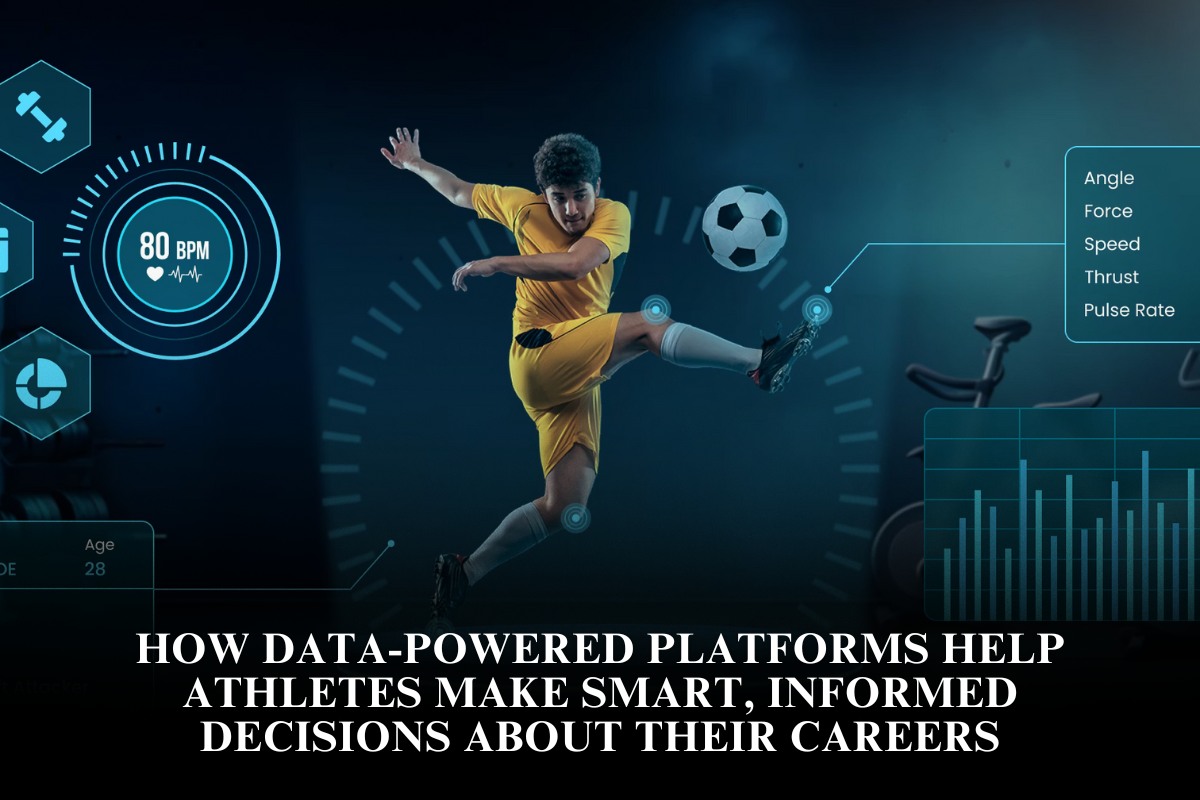
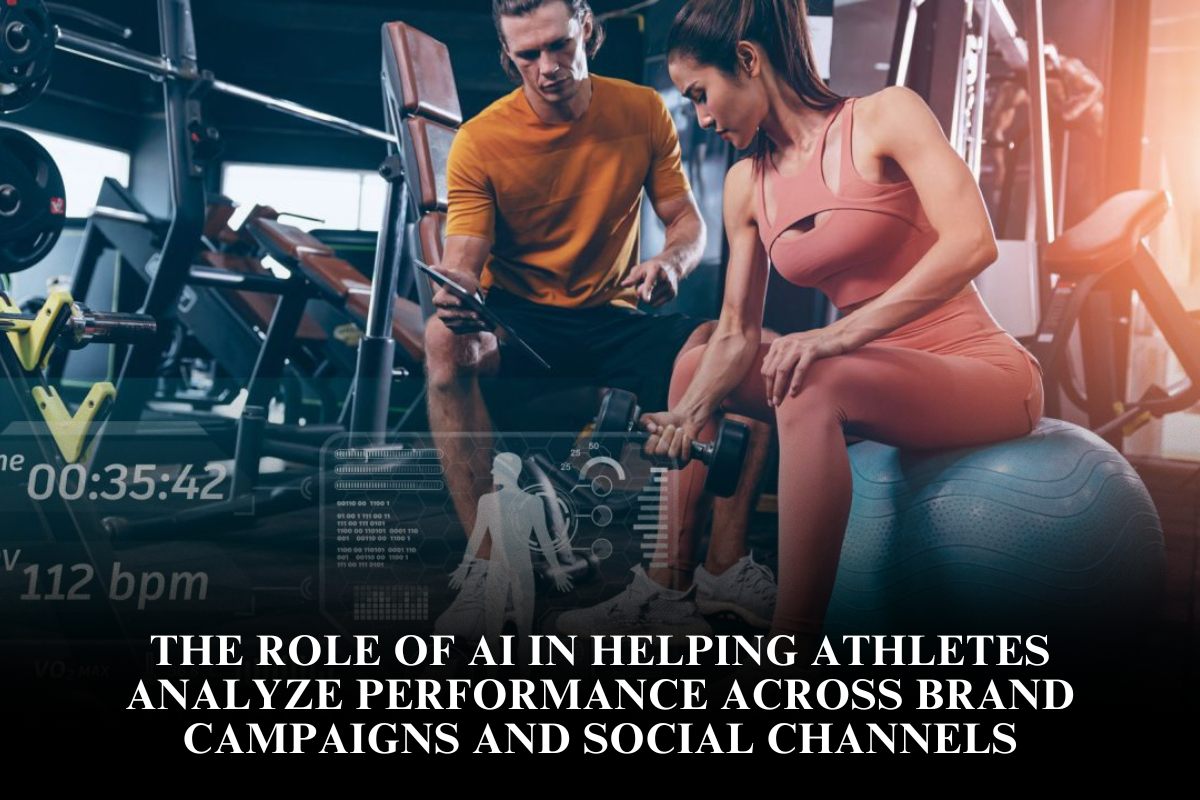
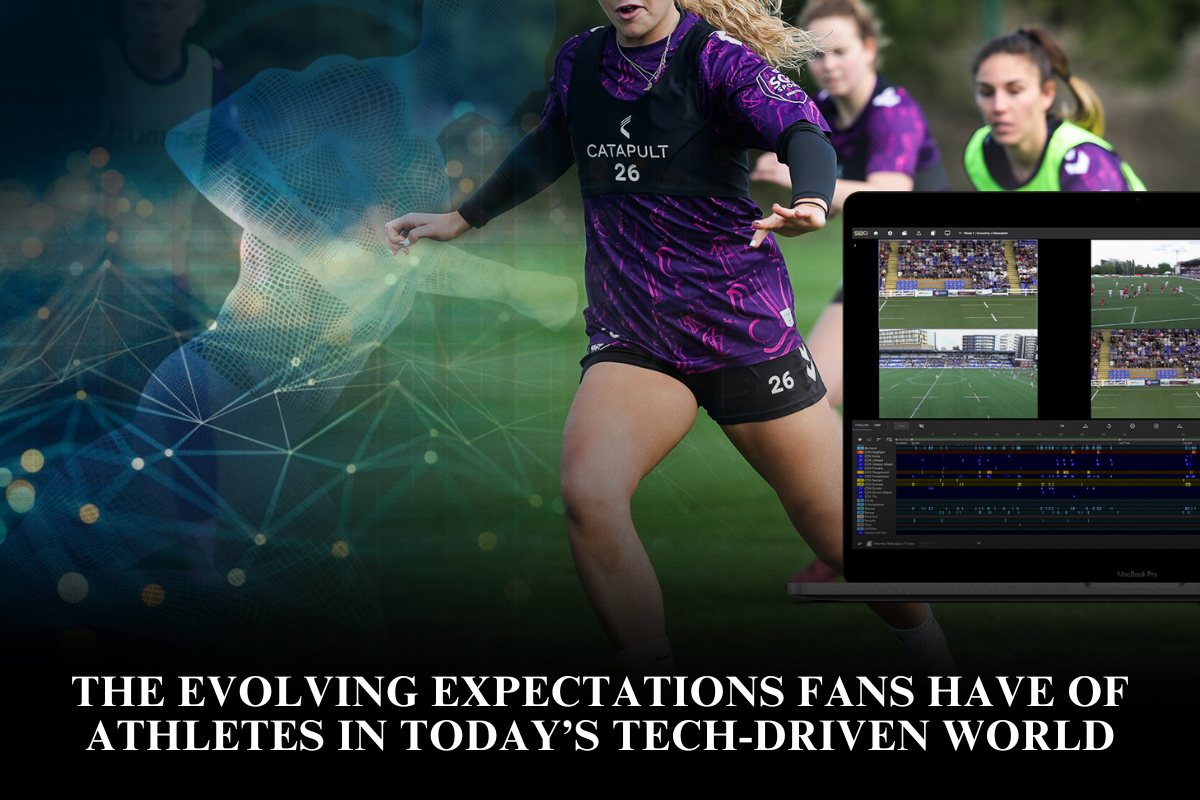
AI curates highlight reels and predicts fan preferences, with 80% believing it shapes sports by 2027. Real-time analytics overlay player speed/distance on broadcasts, while second-screen apps track stats during TV viewing. Machine learning personalizes notifications, deepening bonds as fans follow “their” athletes interactively.
AR/VR for Immersive Experiences
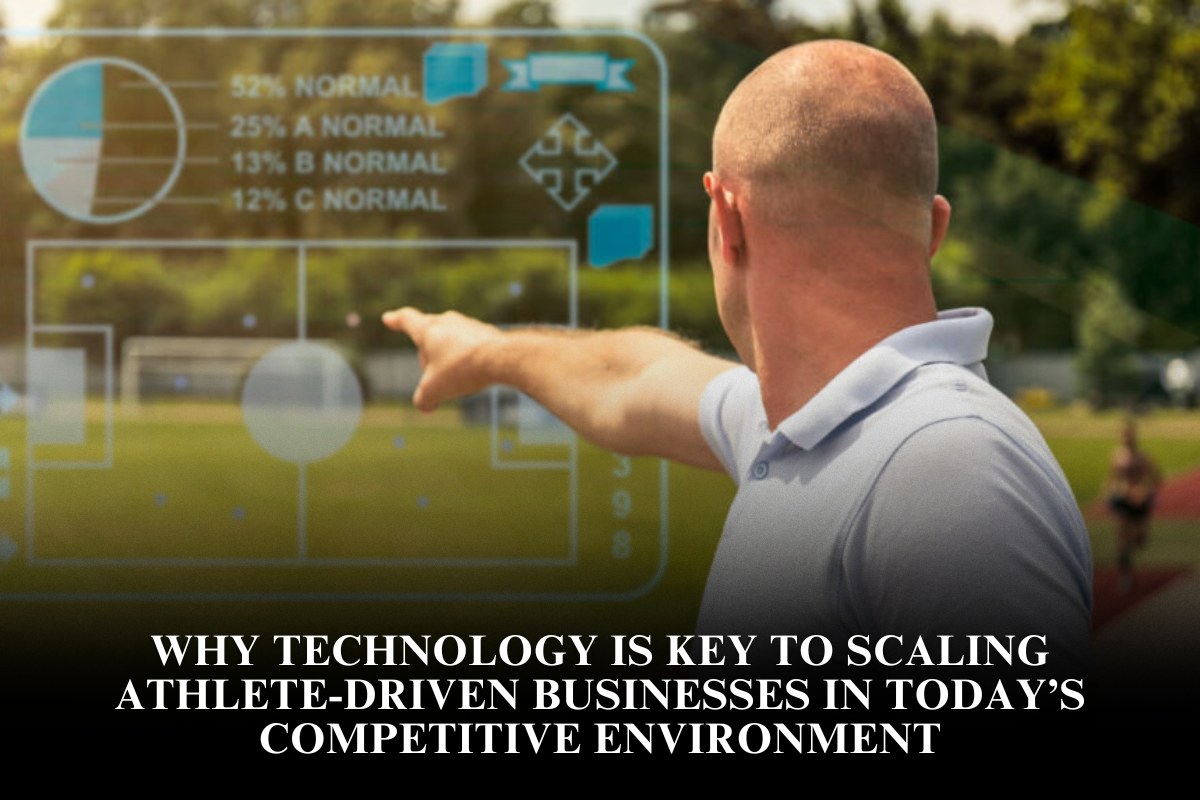
AR overlays stats on live feeds, simulating stadium presence remotely, while VR offers virtual tours or game simulations. Fans “participate” via strategy tests against pros, shifting from spectators to players. Stadium screens display AI insights, amplifying spectacle.
Challenges and Future Trends
Digital divides exclude some fans, but accessibility grows via mobile. Holograms and AI avatars promise deeper immersion.
Key Tech Impacts
| Technology | Engagement Boost |
|---|---|
| Social Media/Apps | Live polls, personalized content |
| AI/ML | Custom highlights, stats overlays |
| AR/VR | Virtual stadiums, simulations |
FAQ
Q1: How do apps personalize fan experiences?
Real-time stats, polls, and rewards tailored to preferences.
Q2: What role does AI play?
Curates content, predicts interests; 85% fan trust by 2027.
Q3: How has VR changed engagement?
Enables virtual game participation and stadium immersion.
Q4: What challenges exist?
Digital access gaps, but mobile broadens reach.