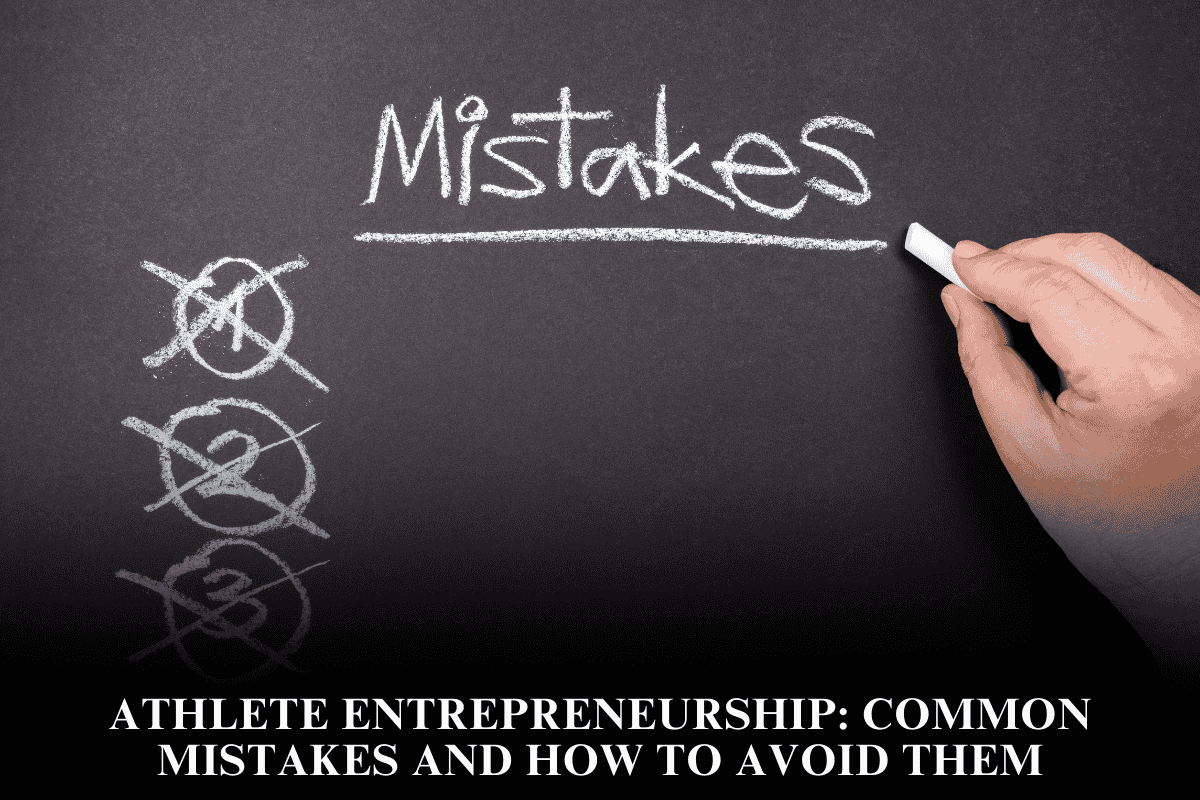
Athlete entrepreneurship leverages discipline, resilience, and fame into business ventures, but many fail due to overconfidence, poor advisors, and skill gaps between sports and commerce. High-profile flops like Scottie Pippen’s $3.5 million real estate loss or Deuce McAllister’s bankrupt dealership highlight pitfalls from rushed decisions and inadequate planning. Success demands treating ventures like startups: research-driven, team-supported, and long-term focused.
Overconfidence in Fame
Athletes often assume celebrity status guarantees sales, skipping market validation; this “fame bias” leads to flops like Raghib Ismail’s $300,000 failed café. Avoid by conducting surveys, testing MVPs, and building genuine fan engagement via social storytelling before scaling.
Bad Advisors and Fraud
Unqualified “yes men” or scammers exploit trust, as seen with Antoine Winfield’s Ponzi losses; entourages drain funds without accountability. Vet advisors via references, demand transparency, and form LLCs early; diversify counsel with CPAs, lawyers, and mentors outside inner circles.
Poor Research and Risky Investments
Impulsive bets without due diligence, like Torii Hunter’s $70,000 raft flop, stem from sudden wealth; 58% of athletes lack financial stability post-career. Mitigate with data analysis, pilot tests, and diversified portfolios; allocate only 5-10% to high-risk ideas after SWOT reviews.
Underestimating Business Demands
Athletic teamwork doesn’t translate to operations; “double retirement” hits when post-career motivation fades, ignoring planning or time needs. Build skills via courses, hire operators early, and set boundaries like “prince forever” living below means.
Tax and Financial Oversights
NIL windfalls vanish from unwithheld taxes or overspending; many neglect entities or long-term planning. Track via apps, reserve 40% for taxes, and plan for 20-year post-career horizons with automated savings.
FAQ
Why do athletes fail in business despite discipline?
Sports skills don’t cover markets, finance, or operations; fame breeds overconfidence.
How to spot bad advisors?
Check credentials, demand performance data, avoid inner-circle bias; use fiduciary pros.
Common investment pitfalls?
Rushed, un-researched bets; limit to 5-10% portfolio after due diligence.
NIL-specific mistakes?
Tax ignorance, no LLCs, overspending; reserve 40%, form entities early.
How to validate business ideas?
Survey fans, launch MVPs, analyze competitors via tools like Google Trends.
Role of mindset in success?
Treat career as startup: resilience aids pivots, but add entrepreneurial learning.
Post-career planning tips?
Budget for “double retirement,” hire managers, diversify revenue.
Real successes to emulate?
Magic Johnson, Shaq—researched, patient, team-built empires.